
The Many Lives of Paris
Paris is one of those places you may think you know well before you ever arrive. In some ways, that’s true—but there is far more below the surface that can only be understood once you’re there. We spent nine days in Paris this past October and November, and the experience reinforced something fundamental: Paris is not a single experience. It’s many, shaped by where you stay, how you move through the city, and the expectations you bring with you.
Fall is my favorite time of year and, in my opinion, one of the best times to travel. The summer crowds have faded, temperatures are more comfortable, and autumn adds a subtle richness to the city. More importantly, the pace slows. You can engage more fully with your surroundings without feeling as though you’re rushing from place to place, checking items off a “to-do” list.
What made this trip memorable wasn’t just the places we visited, but the experiences in between—from staying at a small boutique hotel in a quiet neighborhood near the Eiffel Tower, to a grand hotel on the Champs-Élysées just minutes from the Arc de Triomphe. Add to that impromptu lunches, unplanned walks along the Seine, and time spent simply observing the city, and it became clear how much how you visit a place can shape the experience as a whole.
Two Neighborhoods, Two Personalities of Paris
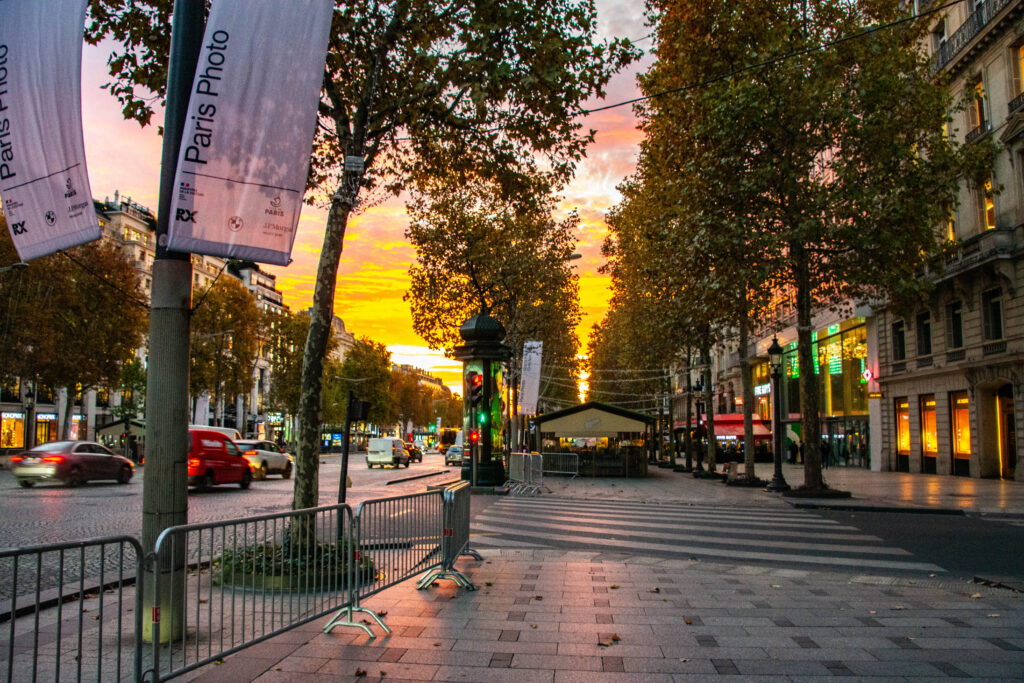
During our time in Paris, we stayed in two very different parts of the city. The contrast between them was striking—not just in how they looked and felt, but in how they shaped our overall experience.
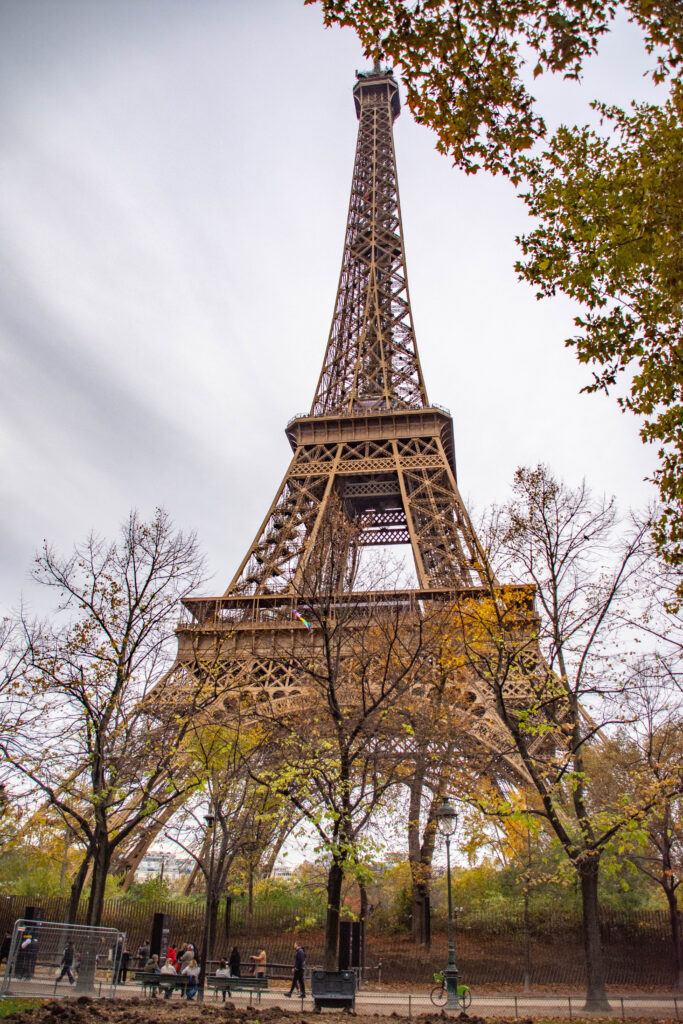
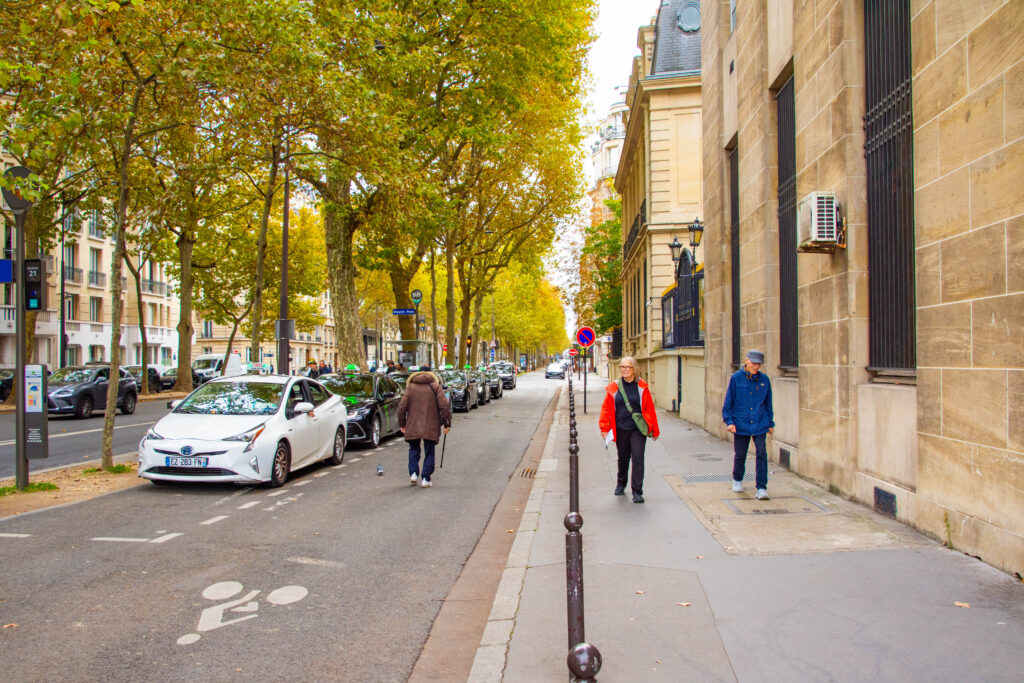
We began in a very small boutique hotel in a residential neighborhood about a twenty-minute walk from the Eiffel Tower. Pedestrian and car traffic was light during the day and nearly nonexistent at night. From the hotel restaurant, we could see the Eiffel Tower illuminated in the distance. The atmosphere was quiet and relaxing, a version of Paris that felt calm, local, and unhurried. This was the quieter, more residential side of the city.
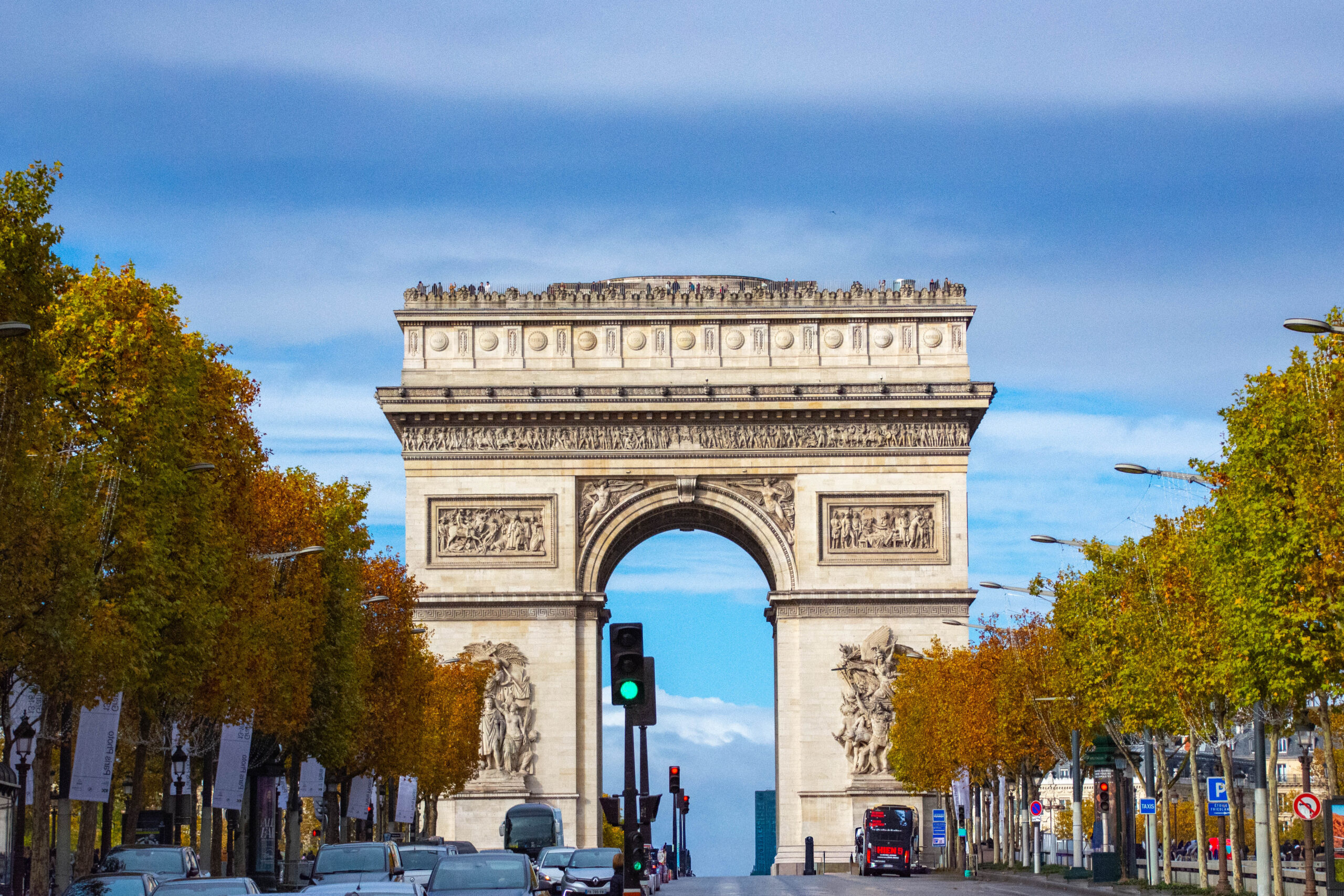
Later, we moved to a grand, upscale hotel on the Champs-Élysées, just a short walk from the Arc de Triomphe. The shift in energy was immediate. Wide avenues, constant movement, and a sense of elegance made it clear this was a very different Paris—dynamic, lively, and unmistakably grand.
Despite their differences, both experiences felt authentically Parisian. Each offered a distinct perspective on the city, and together they reinforced how profoundly where you stay can influence not just convenience, but the pace, mood, and personality of a trip.
Visiting the Highlights of Paris
Even though many people dismiss them as “touristy,” a visit to Paris would feel incomplete without experiencing its most iconic landmarks. On this trip, we visited the Eiffel Tower, Notre Dame, Montmartre and the Basilica of Sacré-Cœur, the Champs-Élysées, the Arc de Triomphe, the Louvre, and the Place de la Concorde. These places are popular for a reason, and seeing them in person adds context and perspective that photos alone can’t provide.
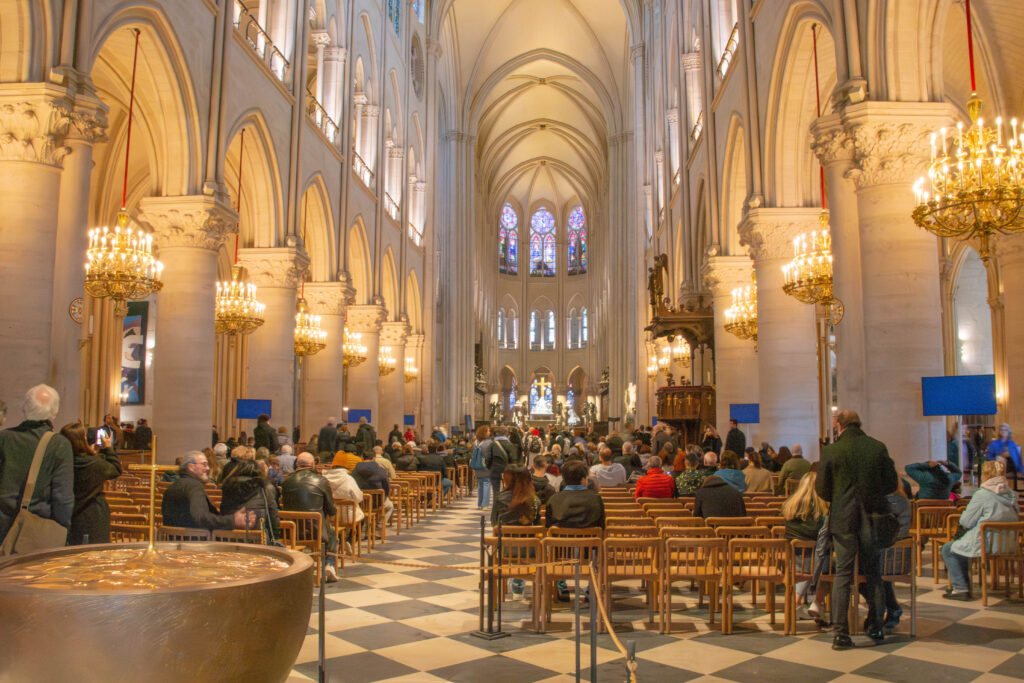
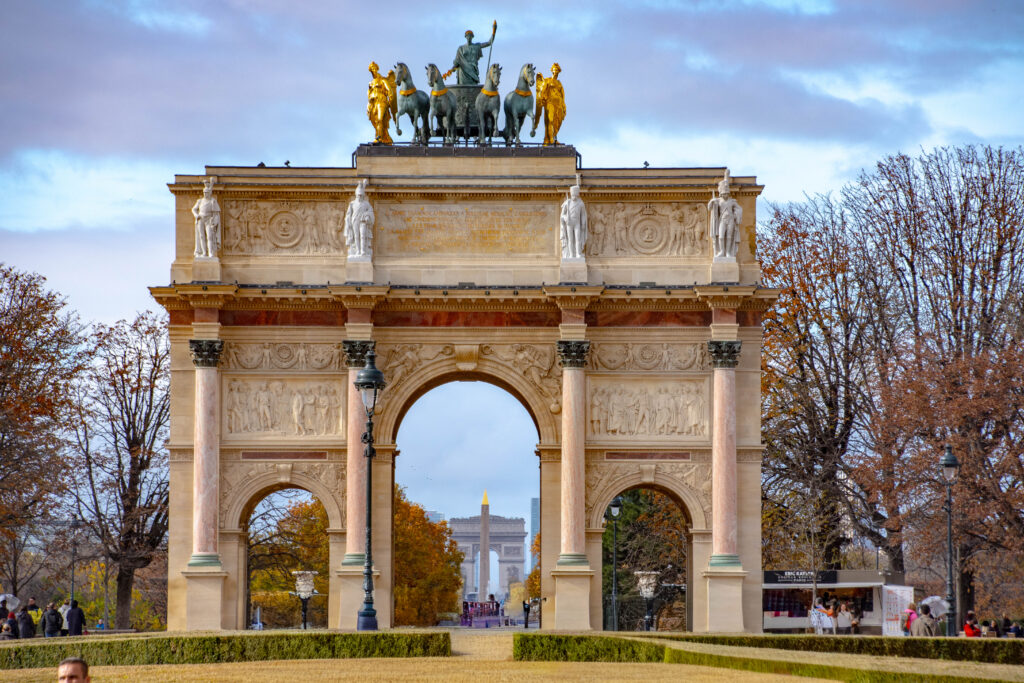
Some moments stood out in particular. Witnessing Notre Dame’s rebirth after its devastating fire was incredibly moving. Standing outside the Louvre and realizing that you can see the Obelisk at the Place de la Concorde perfectly aligned with the Arc de Triomphe more than three miles away was a powerful reminder of the city’s scale, design, and history.
We didn’t make it to the Marais, the Musée d’Orsay, Les Invalides, or Sainte-Chapelle—and that was intentional. Trying to fit everything into a single trip would have meant rushing from place to place. Instead, it simply leaves a reason to return, allowing Paris to be experienced again at the same balanced, unhurried pace.
Beyond Paris: Extending the Experience Outside the City
One of the advantages of spending several nights in Paris is the ability to experience places beyond the city without feeling as though you’re constantly packing up and moving on. For us, that meant taking time to visit two very different places—Versailles and Normandy—each of which added an important layer to the overall trip.
A visit to the Palace of Versailles provided a striking contrast to the neighborhoods of Paris. Its scale, formality, and symbolism offer valuable context for understanding French history, especially when experienced as a focused excursion rather than something squeezed between city sights. Seeing it this way made the visit feel more deliberate and meaningful. And as I often recommend to travelers visiting both the Louvre and Versailles: look up. The ceilings are as much a part of the story as anything else in the building.
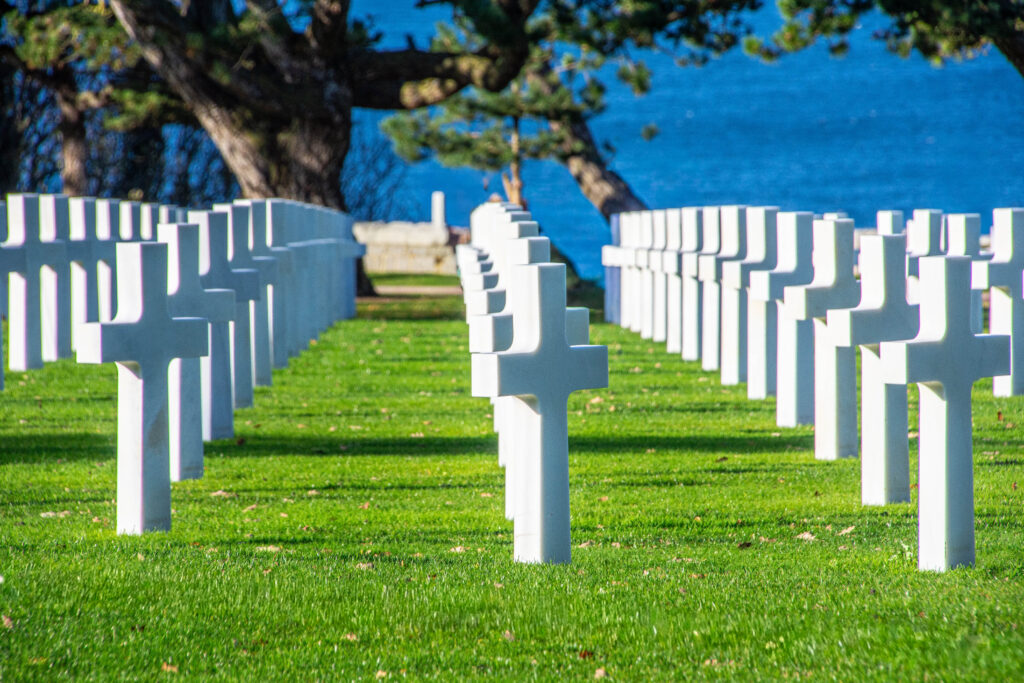
Normandy, and particularly the American Cemetery, was something else entirely. The emotional weight of standing there is difficult to describe and impossible to replicate elsewhere. Finding the side-by-side gravesites of a Father and Son was especially poignant.
Visiting it as a day trip from Paris gave me a strong sense of accomplishment—made even more meaningful by the fact that we traveled by train and navigated the journey on our own.
Both experiences worked precisely because Paris remained our base. They expanded the trip without disrupting its rhythm, reinforcing how stepping beyond a city can deepen the experience when done thoughtfully.
Expectations vs. Reality: What Paris Is - and Is Not
Before this trip, we heard many of the familiar warnings about Paris—that people are rude, that pickpocketing is rampant, and that the city can feel dirty or difficult to navigate. That wasn’t our experience.
We found people to be generally courteous and helpful, particularly when we made an effort to be polite and patient. The city itself felt well cared for and far from the grim caricature that sometimes circulates. Like any major city, awareness matters, but Paris never felt unsafe or unwelcoming.
That said, not every expectation was entirely misplaced. One area where reality lived up to the hype was taxi transportation. While taxis are regulated and drivers are required to accept credit cards, our experiences were inconsistent. On one occasion, an early-morning ride to the train station on nearly empty streets cost significantly more than a busy evening return trip along the same route. Credit card machines, though supposedly standard, were often “unexpectedly” unavailable. While Uber operates in Paris, there are situations where a taxi is simply unavoidable.
And while there certainly isn’t a pickpocket on every corner, they do exist. Staying aware and taking a few simple precautions goes a long way.
These moments weren’t trip-defining, but they were instructive. Flexibility—especially when it comes to getting around—makes a real difference. Understanding these nuances can be the difference between frustration and confidence, something I’ll explore in more detail in a future post focused specifically on how to travel within the city.
What This Trip Reinforced for Me as a Travel Advisor
Spending nine days in Paris reinforced something I see time and again in my work as a travel advisor: destinations don’t create experiences – decisions do. How long you stay, where you base yourself, how you move through a city, and even what you choose not to do all shape a trip as much as the places you visit.
Paris, in particular, rewards thoughtful planning. Neighborhood choice influences pace and atmosphere. Walking rather than relying solely on transportation changes how connected you feel to the city. Day trips work best when they are intentionally woven into the journey, rather than added for the sake of coverage. These nuances aren’t always obvious when you’re looking at a map or an itinerary template, but they become very clear when you experience them firsthand.
Trips like this are why personal travel experience matters so much in the planning process. Being there—observing how a city flows, where small frictions can arise, and what truly enhances the experience—directly informs how I advise clients and design trips that feel balanced rather than exhausting.
This Paris trip also gave me deeper insight into how we traveled: navigating the city day to day, approaching major sites thoughtfully, and structuring excursions to places like Versailles and Normandy. I’ll explore those aspects in more detail in future posts, because they deserve the focused attention that a single article can’t provide.
Closing Reflection: Experiencing Paris With Intention
Paris has a way of reminding you that travel is about far more than the places you see. It’s shaped by where you stay, how you move through a city, and the moments you allow to unfold without planning. This trip reinforced that Paris reveals itself most fully when approached with patience and curiosity rather than urgency.
Whether it was walking through quiet neighborhoods, lingering over an unplanned lunch, or standing in places that carry deep historical weight, the experience felt richer because we allowed the city the time it deserves. Paris is not a destination to be conquered or completed—it’s one to be experienced, returned to, and understood gradually.
Traveling this way doesn’t just change how you see a place; it changes how you remember it. And if you ever find yourself thinking about a trip to Paris—or wondering how to shape an experience that feels just as intentional—I’m always happy to talk it through.

Key Seasonal Temperatures
- Summer (June-August): Average highs of 25-30°C (77-86°F)
- Autumn (September-November): Average highs of 15-21°C (59-70°F)
- Winter (December-February): Average highs of 5-10°C (41-50°F)
- Spring (March-May): Average highs of 12-18°C (54-64°F)
More Information on Things to do in France
One way I recommend to get more inspiration for visiting a country is to go to their Tourism Board website. The French Tourism website is an excellent source of information. Here is a link to their site: More on France
How to Visit France
France invites exploration through a variety of experiences, whether traversing its picturesque countryside by car or discovering urban charm via its efficient rail network. Guided tours provide expert insights into the regions’ histories and cultures, while river cruises along the Seine or Rhône offer serene views. Whether by bike, boat, or on foot, travel in France is woven with moments of wonder.
If you enjoy reflections like this, I share similar insights once a month in my newsletter.