There is something about being in the English countryside at sunset that gives you a feeling of calm and contentment.
The sun was going down as we walked out to Castlerigg, and there was that stillness you feel at the end of the day. There were people around, and even though we were out in the countryside, we spoke slightly above a whisper. Castlerigg is a ring of standing stones on a high plateau, with the fells rising on every side, and the light was turning gold across all of it. You can almost feel that you are being transported back in time. With only the clothes of the people there to give us context, it was impossible to tell whether we were in 2026 AD or 2026 BC.
Castlerigg sits near Keswick, in the northern Lake District. It is about 5,000 years old, among the oldest stone circles in Britain, and no one knows for certain why it was built. Standing there at sunset, that didn’t seem to matter much.
That moment is one of two I keep coming back to. The other comes later in this post.
In October, my wife, Dell, and I spent ten days in Edinburgh, York, and the north of England. For me, this trip was overdue in two ways.
First, our last visit to York, in October 2024, was cut to two days by plane trouble, and our day in the Yorkshire Dales was canceled. I wrote about that trip in England Revisited. Second, in my Scotland post this summer, I promised to compare my own impressions of the Lake District and Hadrian’s Wall with what my client experienced.
This was a custom itinerary, not a group tour. We took the train between cities and used a private driver-guide for the countryside.
While this trip included both England and Scotland, this post covers York and Northern England. Part 2, on Edinburgh and the Scottish Borders, follows in December.
Evensong at York Minster
After two nights in Edinburgh, we took the train south to York. The trip takes about two and a half hours, give or take 15 minutes, and much of it runs along the North Sea coast. It’s an easy, comfortable way to travel between the two cities.
We arrived in time for afternoon tea. My advice is to arrive hungry. We had tea at our hotel, and it was excellent, but York has plenty of places to have it, including the well-known Bettys Café Tea Rooms.
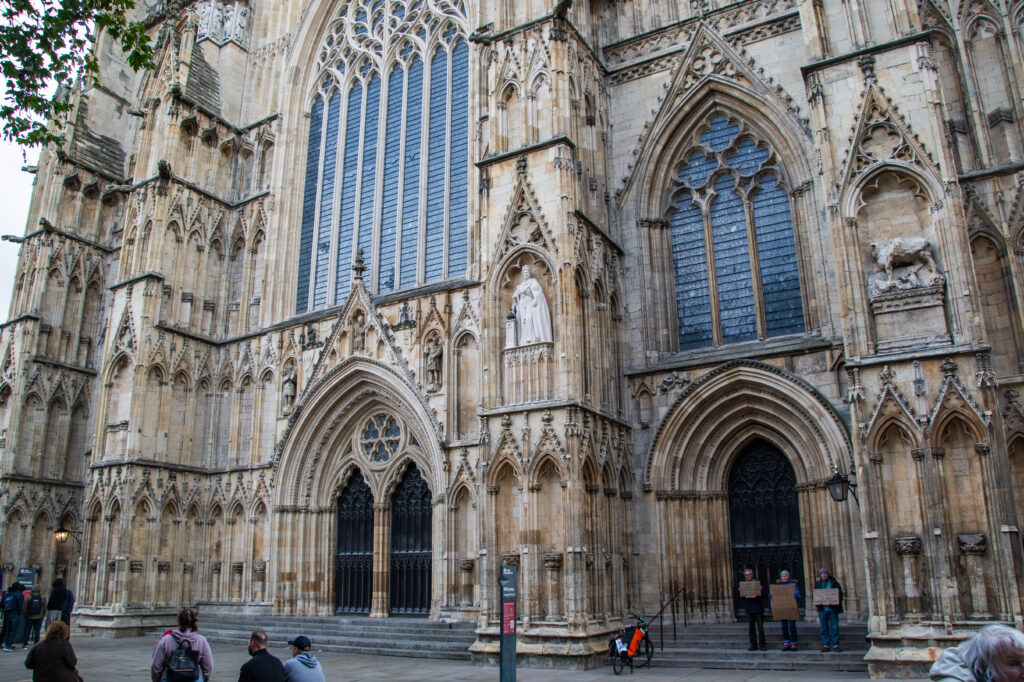
That evening, we attended Evensong at York Minster. I had wanted to do this for a long time, and I would recommend it to anyone. Evensong is a sung evening service that has been held in English cathedrals for centuries. Photographs aren’t permitted during the service, so you’ll have to take my word for it. Hearing a choir in a cathedral completed in 1472 is something no modern building can match. The acoustics alone are worth the visit.
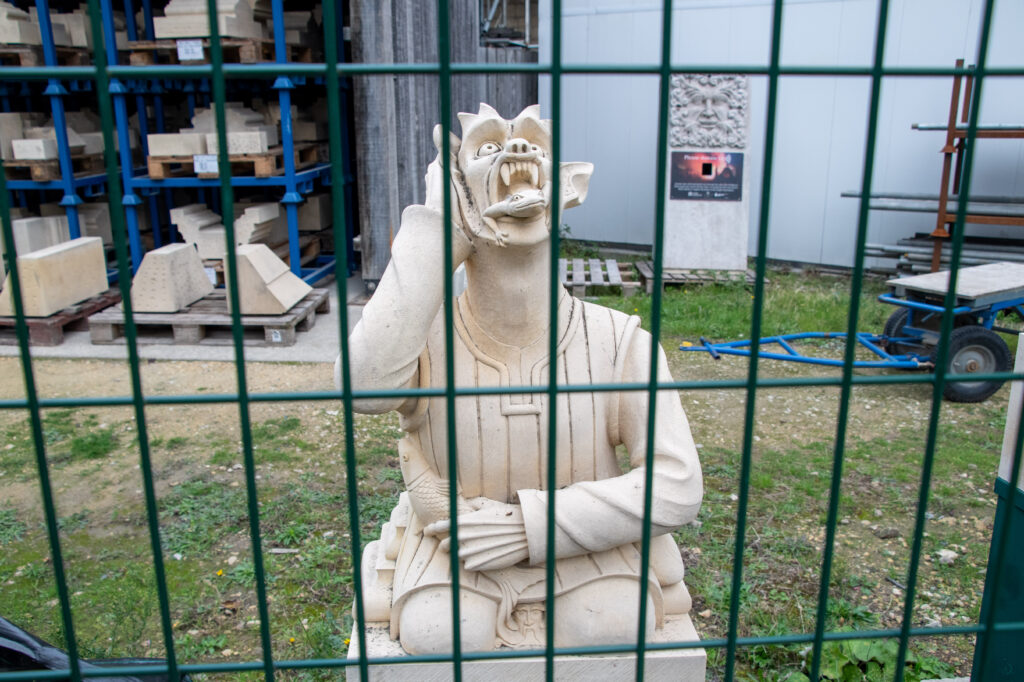
Parts of the Minster were under renovation while we were there. Out on the grounds, a grotesque, essentially a gargoyle without a water spout, sat waiting to be installed, which gave us a rare eye-level look at one.
Afterward, we had dinner at The Fat Badger, a pub in a building dating to 1658. It was clearly a local favorite. The beer mugs carry a slogan I’ll let you discover for yourself.
York is a university town, so the center stays lively into the evening. But walk a few streets away and you’ll find quiet lanes that feel centuries old.
Insider’s Tip: Evensong is free and open to everyone; you don’t need to be a member of the church. Check the Minster’s website for service times before you go, since the resident choir doesn’t sing every day. Seating near the choir is limited, so arrive early.
York on Foot
One thing I always recommend in a new city is to set aside time to simply walk. We had covered much of York’s old town on our first visit, and on our third day we stayed in the city, revisited a few favorites, and added a couple of new ones.
It helps to know a little geography. York sits where the River Ouse and the River Foss meet. The Ouse flows on to the Humber, and the Humber to the North Sea. That water route made York strategically important for nearly two thousand years. The Romans founded a fortress here in AD 71. The Vikings took the city in 866 and held it until 954, building it into a major trading center they called Jorvik.
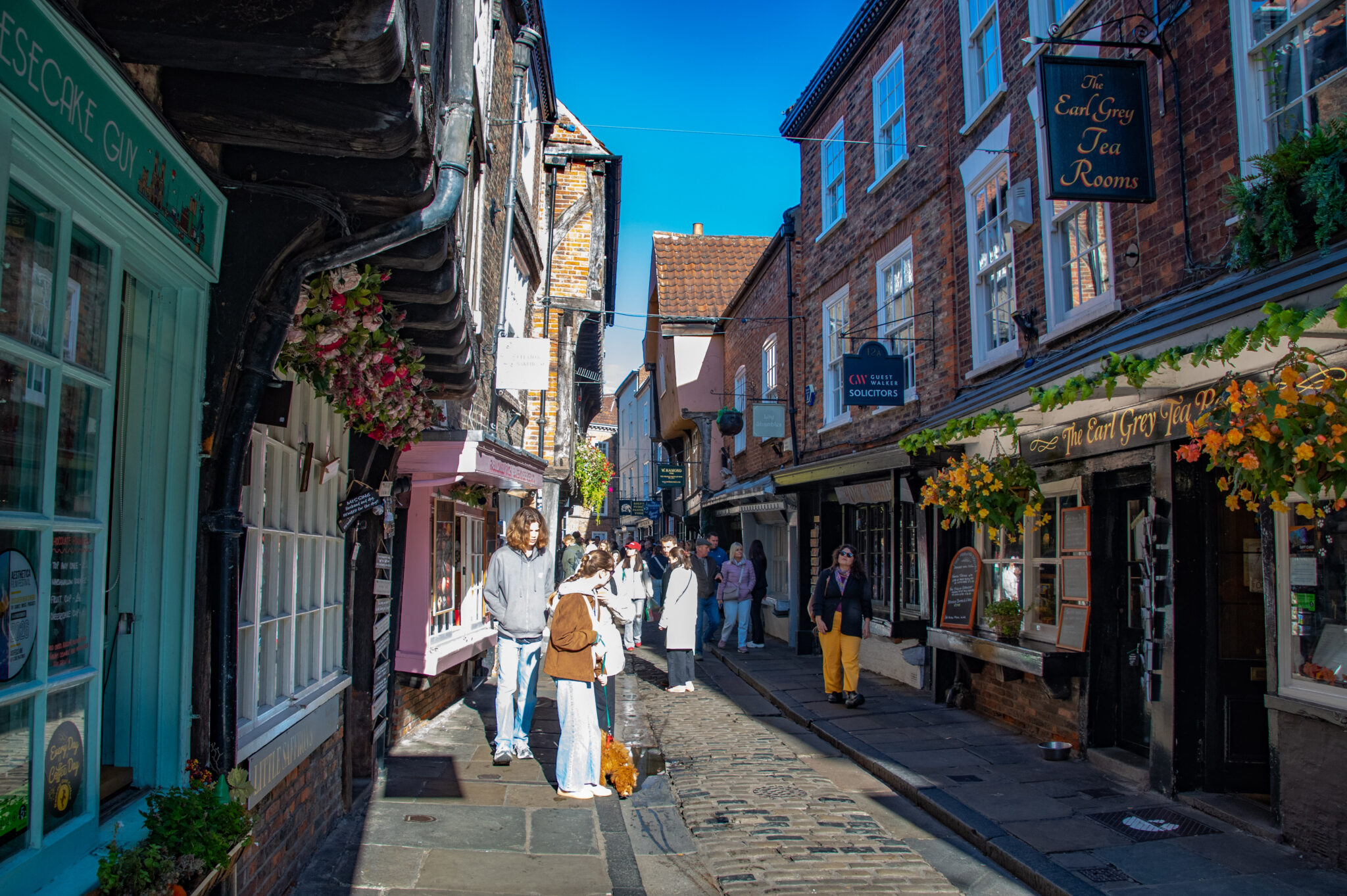
It was a Sunday, and a marathon had the city busier than usual. We still made our way to my favorite part of York, the Shambles. It’s a narrow medieval street of timber-framed buildings that lean toward each other overhead, some dating to the 1300s. The name comes from the butchers’ benches, or “shambles,” that once lined it.
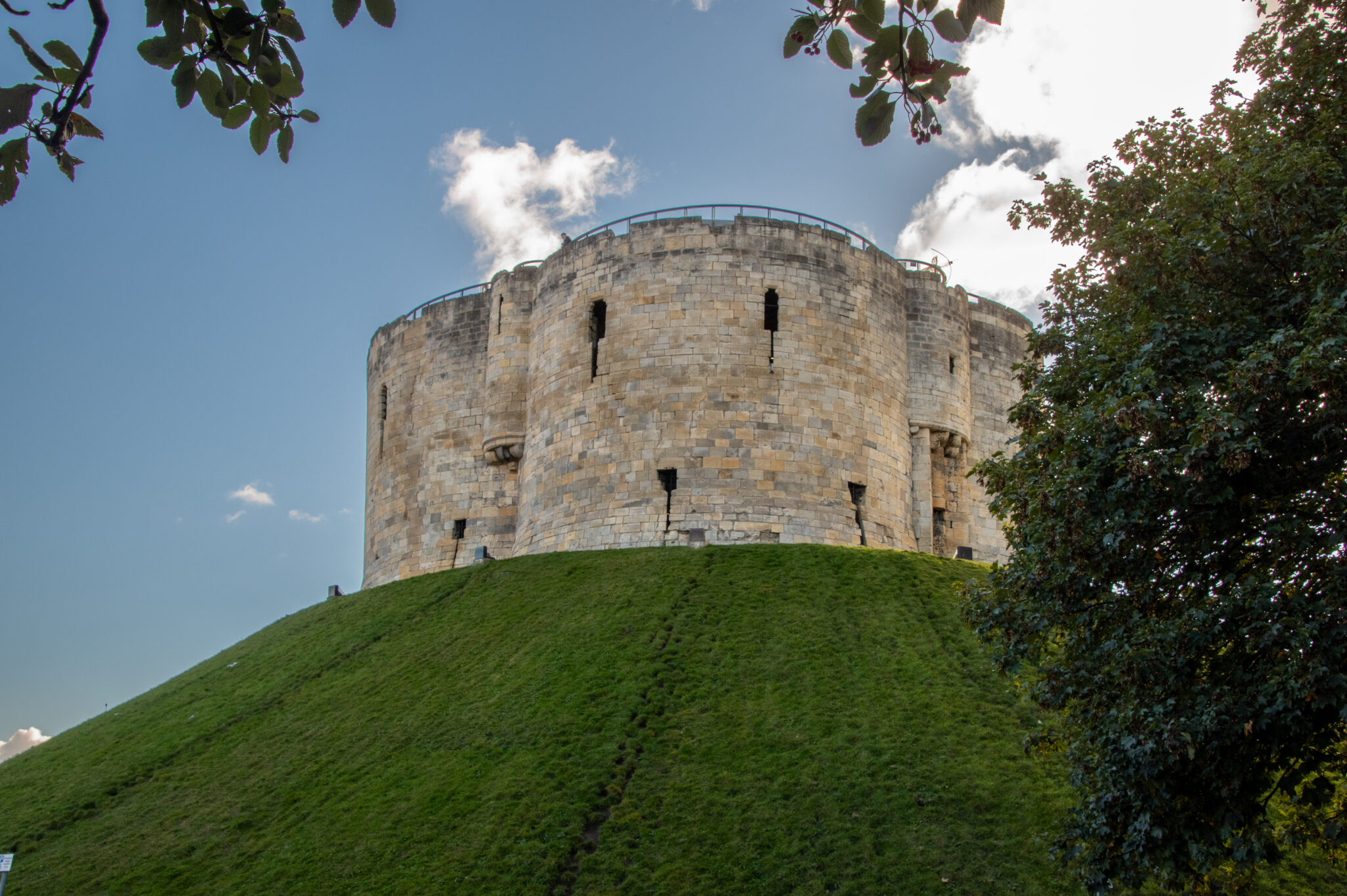
Near Clifford’s Tower is the Jorvik Viking Centre, built on the site where archaeologists uncovered the Viking city in the late 1970s. A ride carries you through a full-size reconstruction of a Viking-age street. Some of the figures were modeled on skeletons found right here, and the artifacts on display are remarkable.
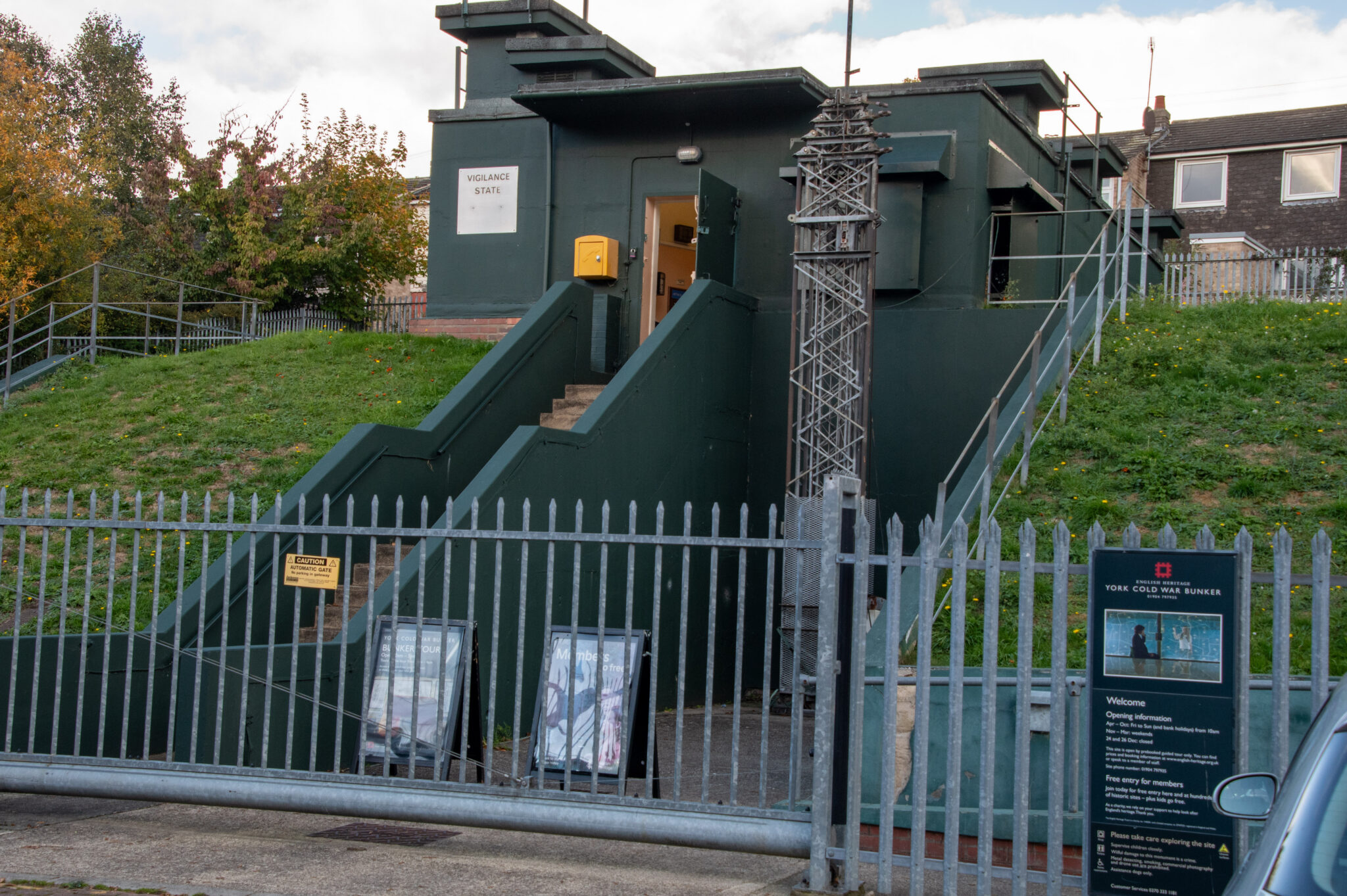
Then we visited something that would never have crossed my mind. The York Cold War Bunker was built in 1961. Its job, in the event of a nuclear war, was to plot where bombs had detonated and track the radiation that followed. Trained volunteers ran it, and it stayed in service until 1991. Two things struck me. The bunker is only partly below ground. And the volunteers were trained to go outside to take readings, without any protective gear.
There was also a plan for staffing it in a crisis. A list was kept of local people whose skills would be needed, and the orders were to find them and bring them to the bunker, effectively under arrest. When the bunkers closed in the early 1990s, many of them were surprised to learn they had been on the list.
The Lake District: One Day Isn’t Enough
Our first day trip from York took us west into Cumbria and the Lake District. It’s a two-and-a-half to three-hour drive each way, so this was a long day.
The Lake District is England’s largest national park, and it has drawn writers for more than two centuries. William Wordsworth and Beatrix Potter both made their homes here.
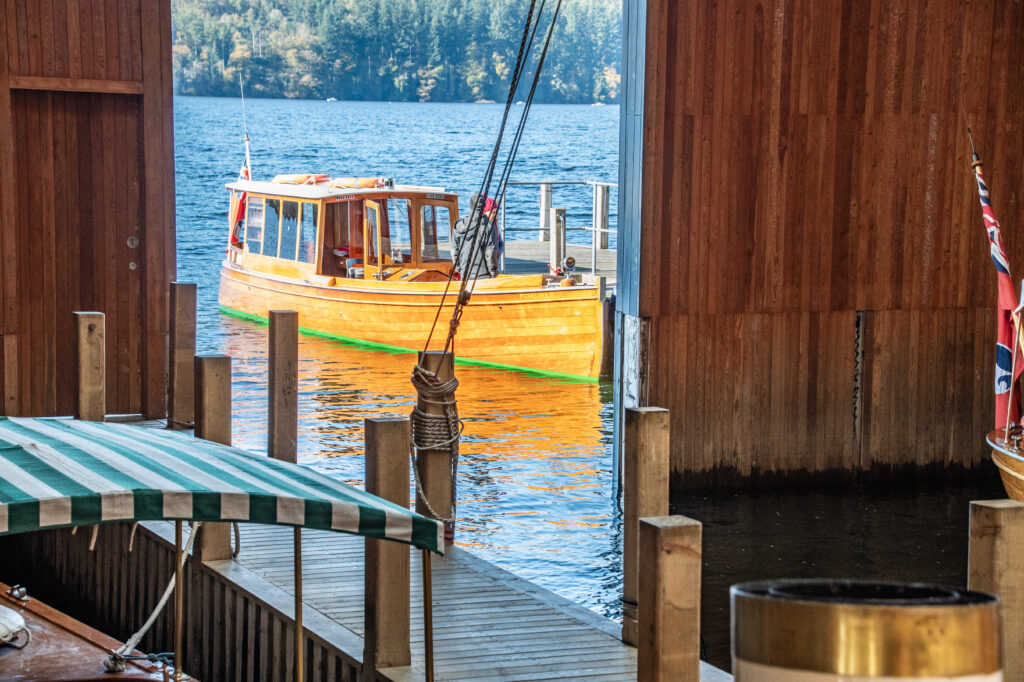
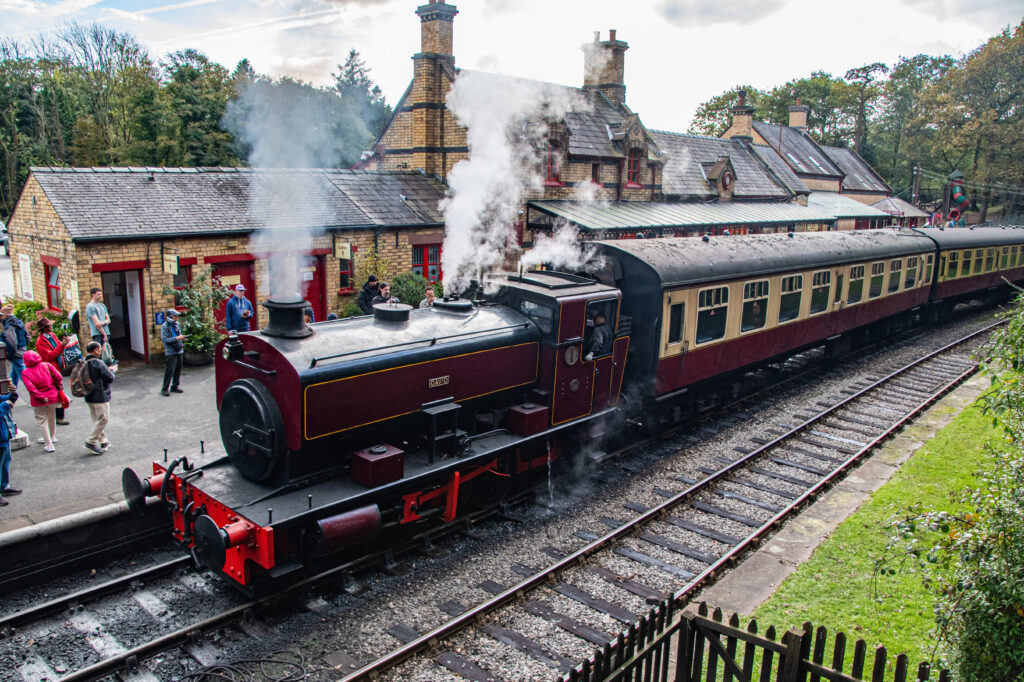
Our first stop was Windermere Jetty, a museum on the shore of Lake Windermere, England’s largest natural lake. It holds a collection of historic boats that worked the lake, and we took a cruise on a 1930s launch. Crossing the water in a boat that age is a fine way to see the lake. From there, we went to Haverthwaite, home of the Lakeside and Haverthwaite Railway, a heritage steam line with a small collection of vintage locomotives.
We ended the day at Castlerigg, just as the sun was going down. If you read the opening of this post, you know how that went.
By the time we got back to York, nearly twelve hours had passed, and we had still seen only a small part of the region. If you really want to see the Lake District, you need to spend a couple of days there. That means staying there. And we found a hotel on the shores of Lake Windermere that would work very nicely. I’ll leave you in suspense on that for a while. Towns like Windermere, Ambleside, and Keswick all make good bases, and you’ll be able to see the lakes early and late in the day, when they’re quietest.
Our lines up with what my client experienced. Their itinerary gave the Lake District two days, and their private guide helped them avoid the busiest roads and towns. Our day felt very similar, just shorter. Having a driver-guide who knew the area made a long day manageable, and it confirmed for me why I planned their trip the way I did.
Yorkshire: Herriot Country
For our last full day in York, we stayed in Yorkshire. This was the day we lost on our first visit. We were especially disappointed then, because we’re fans of All Creatures Great and Small. Yorkshire is where James Herriot lived and worked, and where the series is filmed.
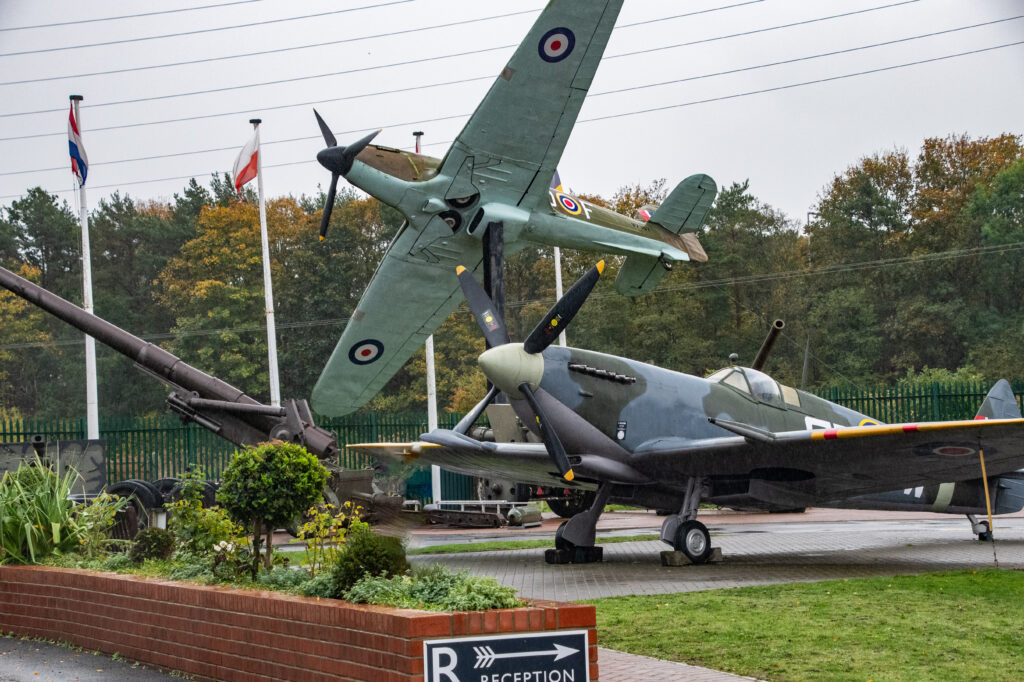
Our first stop wasn’t on our radar at all. Our driver-guide thought we’d appreciate Eden Camp, and he was right. During World War II, it was a prisoner-of-war camp. Today it’s a museum that does an excellent job of showing what life in Britain was like during the war. One exhibit was a “human torpedo,” something I didn’t know existed. A crew of one or two would ride it underwater into an enemy harbor and attach explosives to the ships.
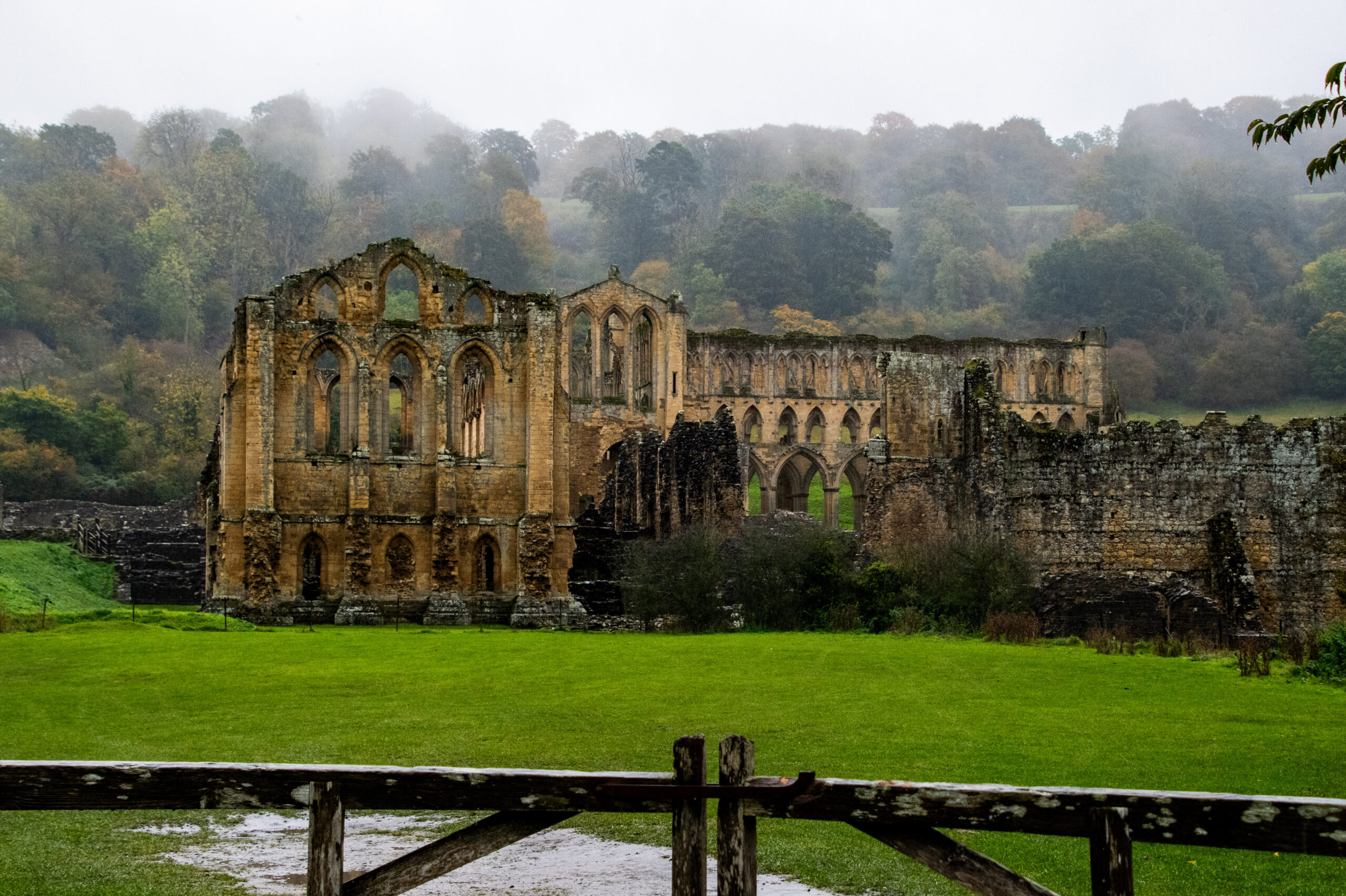
Next was Helmsley, with its castle ruins, and nearby Rievaulx Abbey. Founded in 1132, Rievaulx became one of the most powerful Cistercian monasteries in England, until Henry VIII dissolved it in 1538. You’ll see a lot of abbey ruins in England and Scotland, but this one is worth the stop. The cloudy weather only added to it.
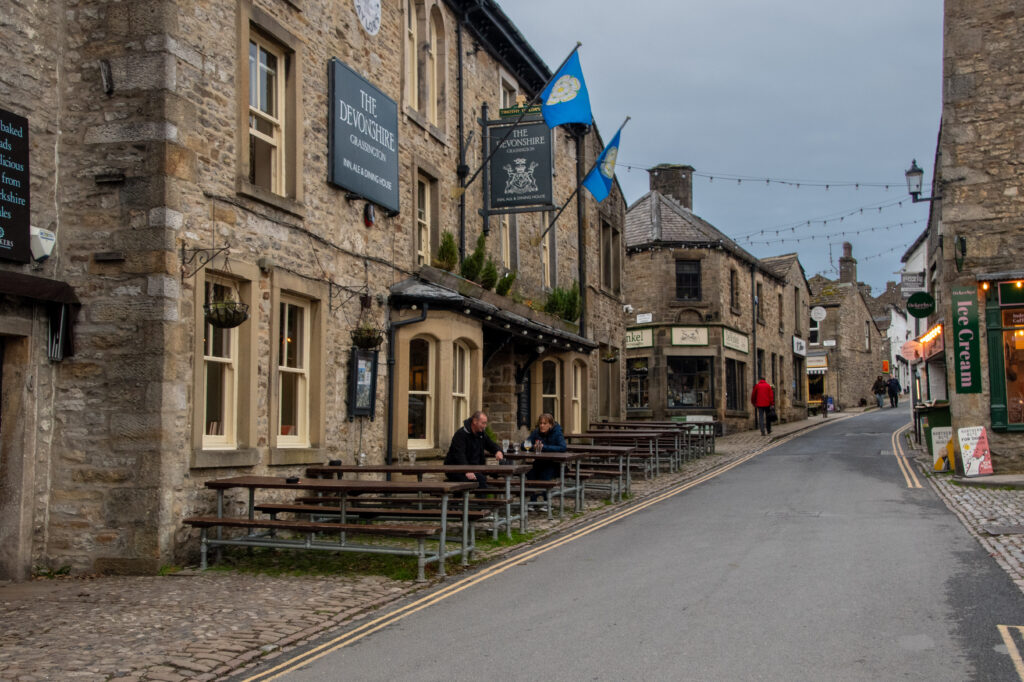
In Thirsk, we toured the World of James Herriot, the house where Alf Wight, the real James Herriot, ran his veterinary practice. Then we drove west into the Dales. Between the farms, the dry stone walls, and the open pastures, again it’s easy to feel you’ve gone back in time. In Grassington, the village square becomes Darrowby for the series.
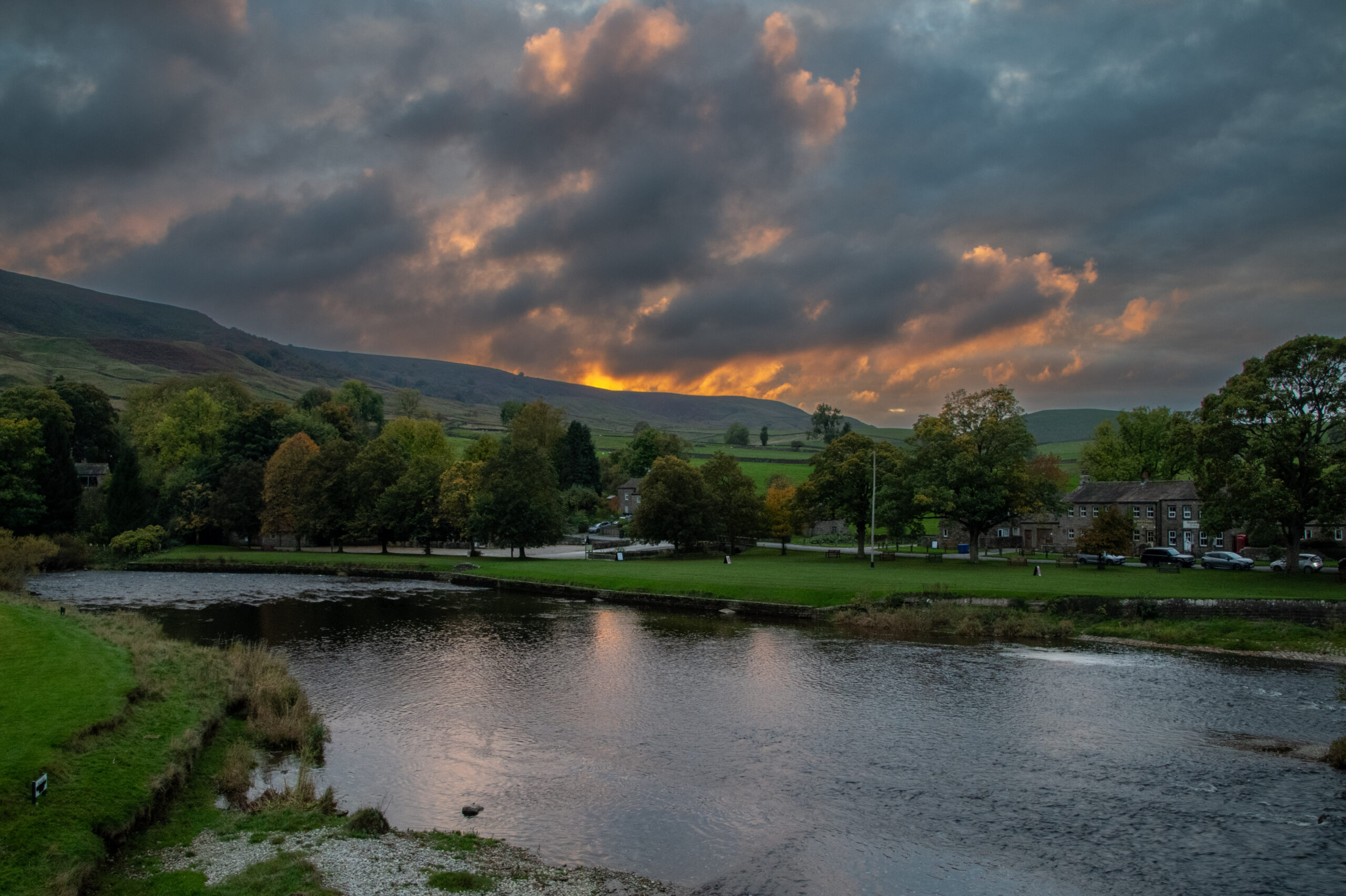
We reached Burnsall, a small village on the River Wharfe, just at sunset. Again, the stillness and quiet at twilight were incredible. We finished the day with dinner at the Craven Arms in Appletreewick.
A long day, and a good one. It was worth the wait.
Hadrian’s Wall: The Edge of an Empire
When we were planning this trip, we had a decision to make. Leaving York, we could take the train back to Edinburgh, which is quick and comfortable, and then make a day trip back south to Hadrian’s Wall. Or we could have our driver-guide take us north by car and stop at the Wall on the way.
We chose the car, and I’m glad we did. It gave us more time in Edinburgh, and we saw stretches of countryside we would otherwise have missed.
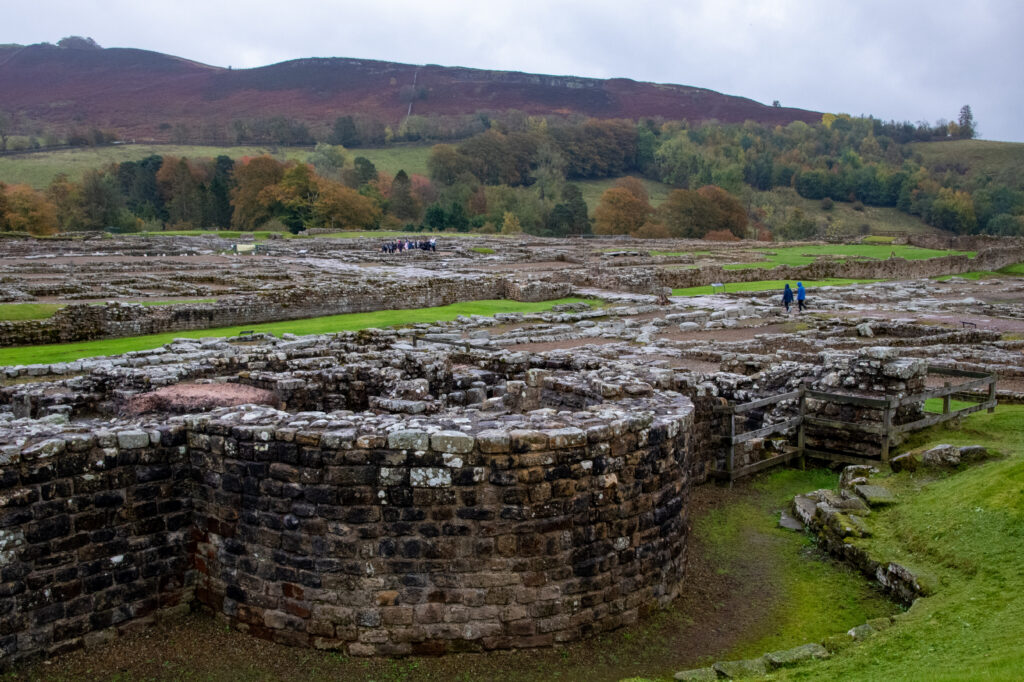
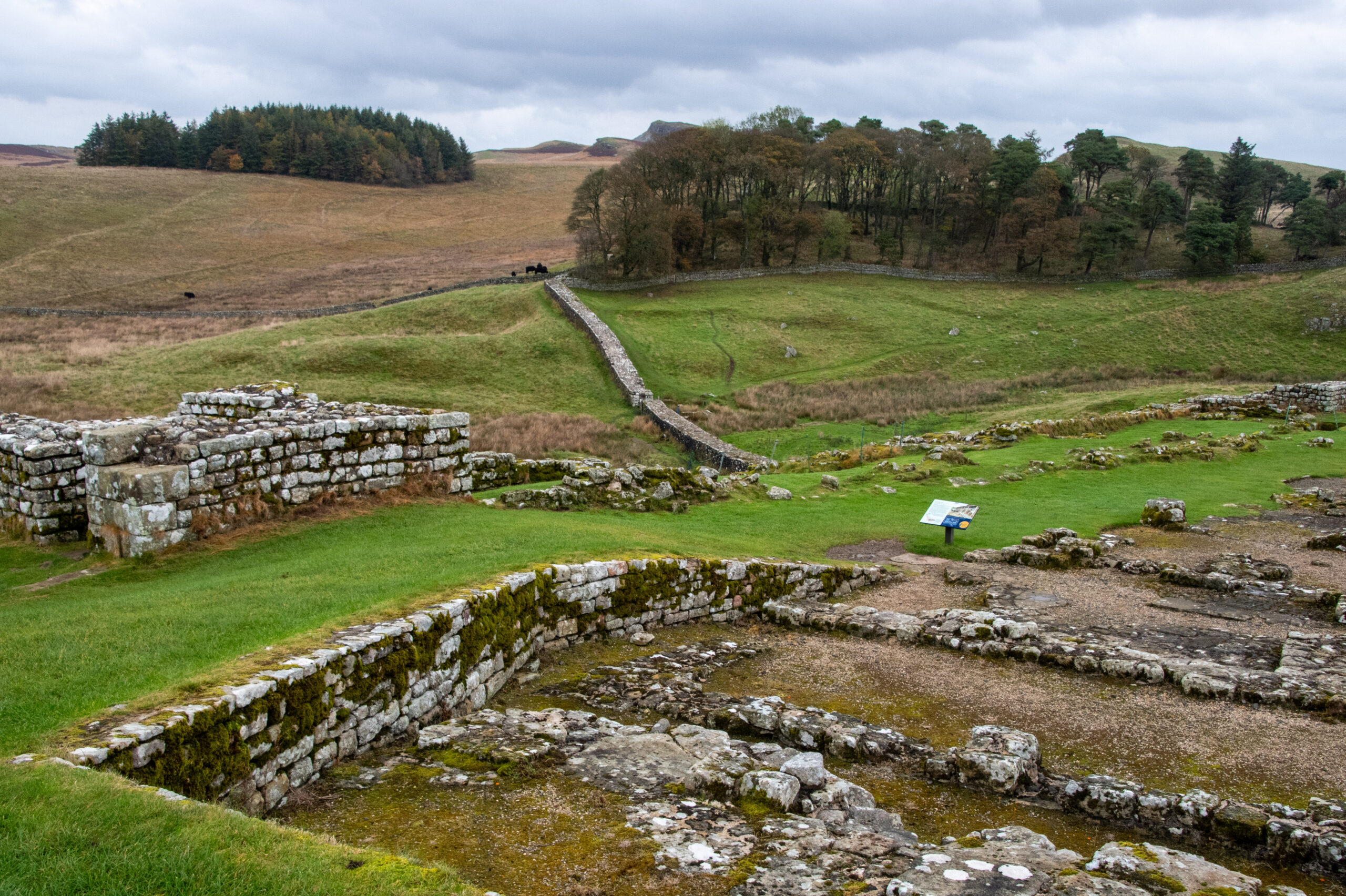
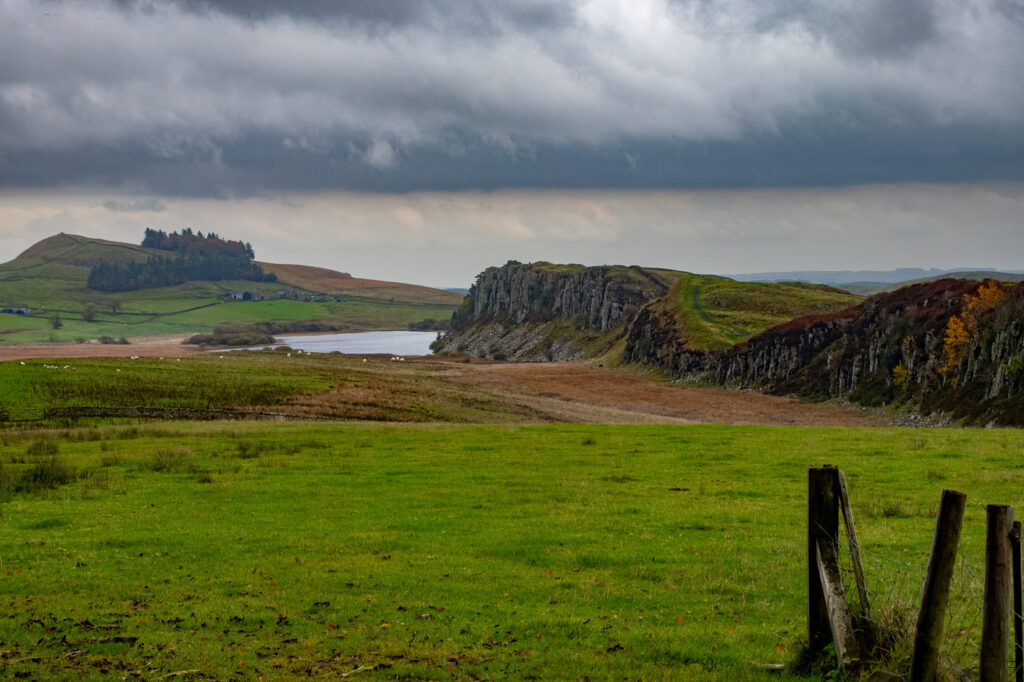
Construction of Hadrian’s Wall began in AD 122, and for nearly three centuries it marked the northern frontier of Roman Britain. We visited two forts along it: Vindolanda and Housesteads.
Vindolanda predates the Wall. It was established around AD 85 and is still an active archaeological site. Its museum holds the Vindolanda tablets, wooden writing tablets that are among the oldest surviving handwritten documents in Britain. One is an invitation to a birthday party.
Housesteads came later, around AD 124, and is the most complete Roman fort in Britain. Both were abandoned around AD 400, as Roman rule in Britain came to an end.
A few things will strike you here. What remains of the Wall is often only a few feet high, though it once stood around 15 feet. The Romans built their forts to a very specific layout. And they used some ingenious engineering, including underfloor heating that circulated warm air beneath the rooms.
My client’s visit to Housesteads sounded very much like ours. Adding Vindolanda gave us the fuller story.
This was one of my favorite places on the entire trip. Walking through a place built not long after the time of Christ, in a landscape this open and quiet, is something that will stay with me.
From there, we crossed into Scotland, with a stop in Jedburgh along the way. That’s where Part 2 begins.
What This Trip Reinforced for Me as a Travel Advisor
Planning and logistics make all the difference in this part of England. Many of the places we loved are hard to reach without a car. Castlerigg, Rievaulx, Burnsall, and the forts along Hadrian’s Wall are spread across a large area. Had we arranged this trip differently, we would have missed some of the best moments.
Having the right people on the ground matters, too. Eden Camp was never on our list. It was our driver-guide’s suggestion, and it turned out to be one of the surprises of the trip. That kind of local knowledge is hard to plan for, but you can plan to have it.
Give each region the time it deserves. One day in the Lake District showed me what two or three days would offer. I would rather my clients see fewer places well than rush through more.
And the season makes a difference. In the fall, mist settles over the fells and the abbey ruins, and the summer crowds have thinned. The shorter days also bring sunset at a reasonable hour, so you can end the day somewhere special, as we did at Castlerigg and Burnsall.
Key Seasonal Temperatures
York and North Yorkshire:
- Spring
(March to May):
Average highs of 10 to 17°C (50 to 63°F) - Summer
(June to August):
Average highs of 19 to 22°C (66 to 72°F) - Autumn
(September to November):
Average highs of 9 to 18°C (48 to 64°F) - Winter
(December to February):
Average highs of 6 to 8°C (43 to 46°F)
The Lake District & Northumberland: A few degrees cooler than York, and the Lake District is one of the wettest parts of England. Pack layers and a good rain jacket in any season.
More information on things to do in Northern England
Visit York: visityork.org
Yorkshire Dales National Park: yorkshiredales.org.uk
Lake District National Park: lakedistrict.gov.uk
VisitEngland: visitengland.com
English Heritage: English Heritage.org.UK
Visiting Northern England
York is easy to reach by train: about two hours from London and two and a half from Edinburgh. The city itself is best seen on foot. The Lake District, the Dales, and Hadrian’s Wall are another matter. Some escorted tours include York and the Lakes, and self-drive is possible if you’re comfortable driving on the left on narrow country roads. For a trip that combines all of these at your own pace, a custom itinerary with a private driver-guide is hard to beat.
If you enjoy reflections like this, I share similar insights once a month in my newsletter.