

England Revisited: London Reconsidered, the Cotswolds and Echoes of Ancient History

Two Trips - And Still More to See

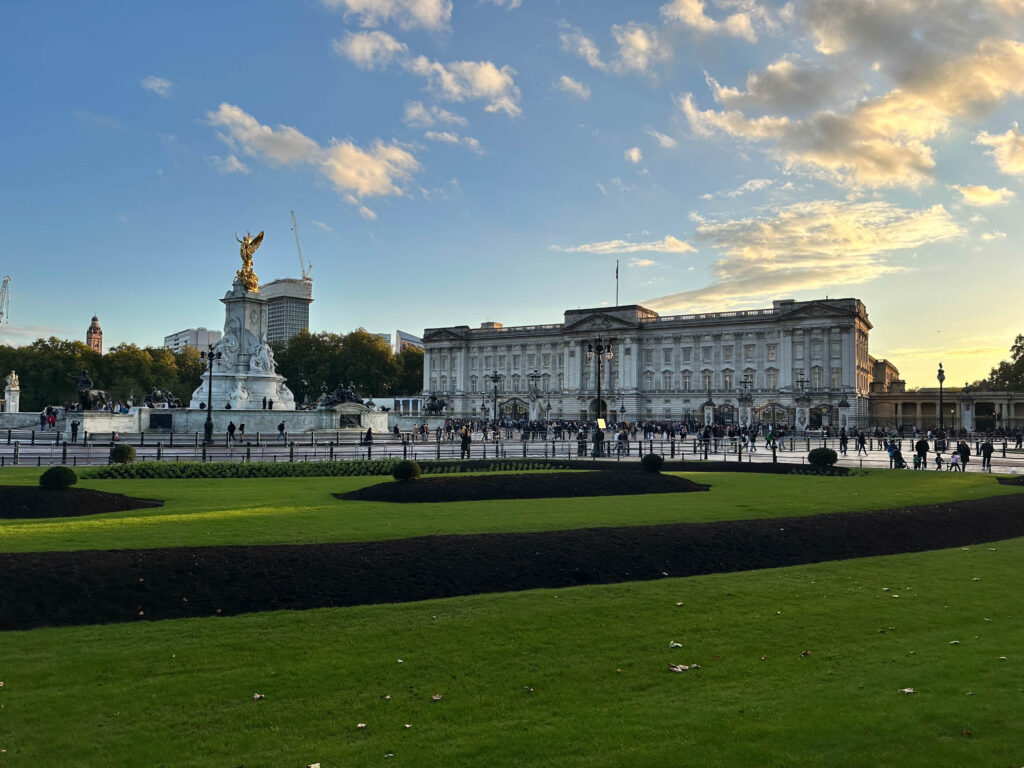
Probably my favorite time of the day is sunset – especially later in the year when the colors of the sunset are the most vivid, and the day is starting to quiet down. We caught that situation while walking back to our hotel one night in London, while walking back to our hotel just across the street from Buckingham Palace. We weren’t rushed, nowhere we had to be. No tour, no appointment. Just taking in London at the end of the day.

That walk is a good place to start, because it captures something about returning to a place you’ve already been. This wasn’t our first trip to England. We had seen Stonehenge and Bath, Westminster Abbey and the Tower of London, on a previous visit a few years earlier. This time, the goal wasn’t to check off the icons. It was to go deeper — into the contrast between London’s energy and the quiet of the English countryside, and into the layers of history that stack up the longer you spend in this country.

England is perfect that kind of return visit. There is always more to see. And the things you missed the first time are often exactly the things worth going back for.

Buckingham Palace - Photo by Patrick McGill

London - Reconsidered

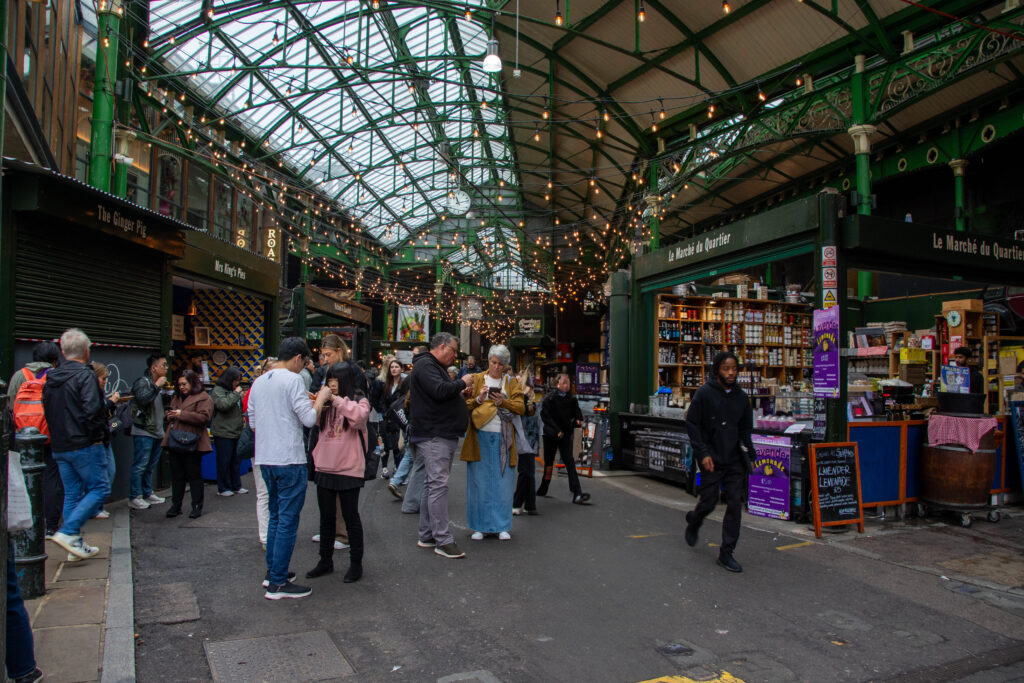
Borough Market - London
Borough Market - London - Photo by Patrick McGill

Having seen many of London’s major sites on our first trip, this time we let ourselves wander without much of a plan. We spent a morning at Borough Market, which was larger than we expected, and a fun place to grab lunch among Londoners on their own lunch break. It was late October, but the market was busy enough to show this is a place locals actually use, not just a stop on a tourist itinerary.

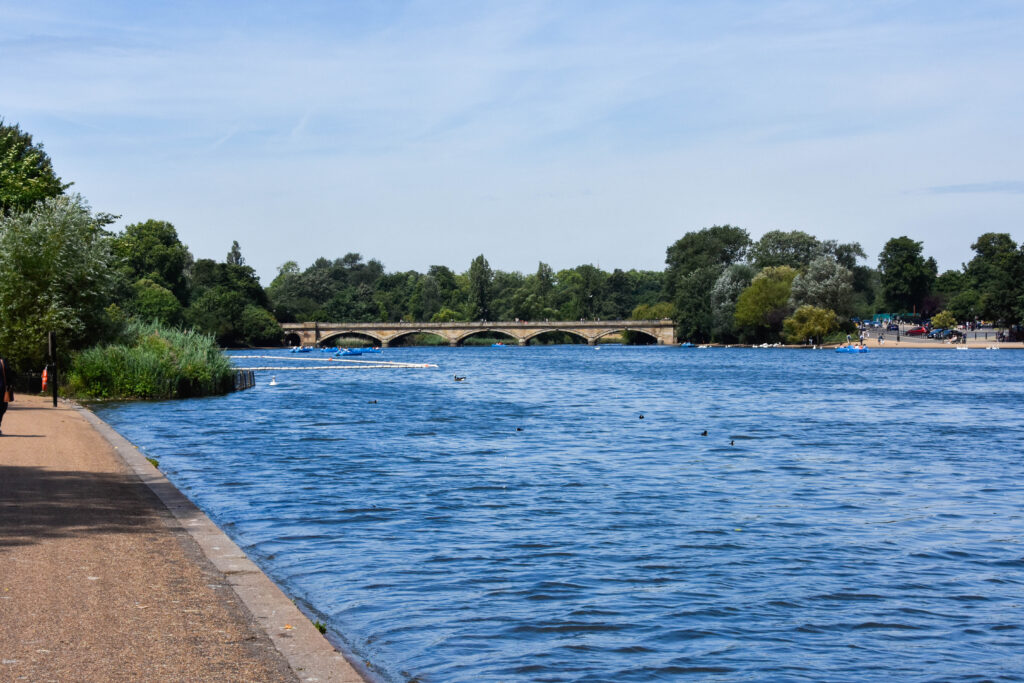
Hyde Park was the same kind of unhurried pleasure. No agenda, just walking. And because our hotel sat just across the street from Buckingham Palace, the simple act of walking that block in the early evening became one of the most memorable parts of the entire trip.

Insider’s Tip: There is so much to see and do in London, don’t feel like you have to see the same things again, unless you want to. And, I always recommend leaving some unstructured time in your schedule. One of our favorite memories on our first trip to London was just walking around in Hyde Park.

Hyde Park - The Serpentine
Hyde Park - Photo by Patrick McGill

A Day in the Cotswolds

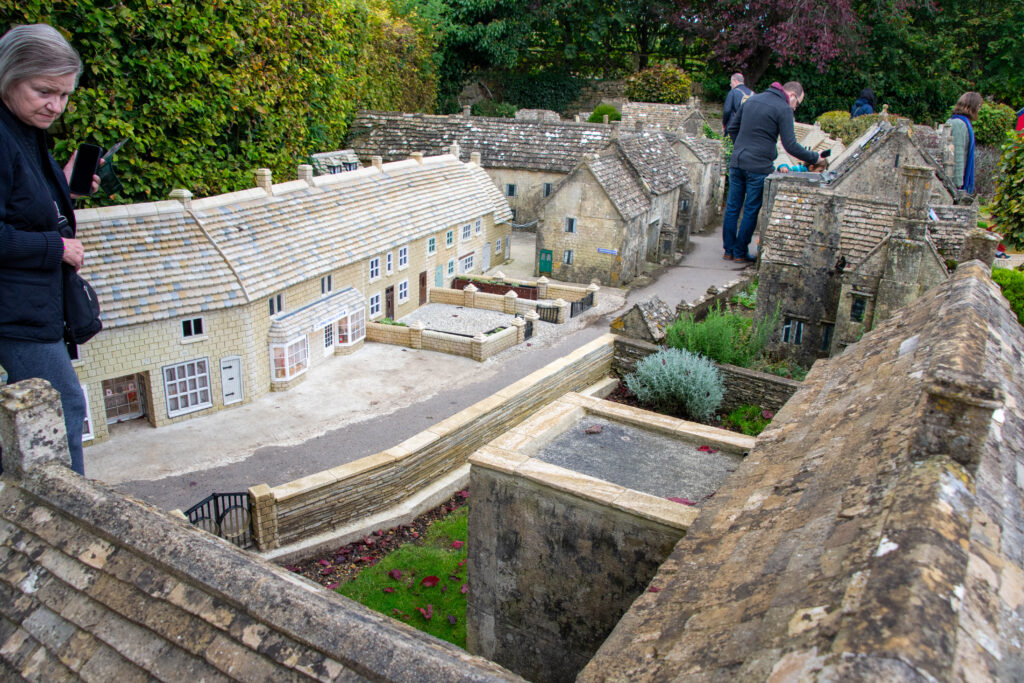
The Cotswolds - Bourton on the Water Miniature Village
The Cotswolds - Bourton on the Water Miniature Village - Photo by Patrick McGill

We joined a small group tour for a day in the Cotswolds, visiting Burford, Bourton-on-the-Water, and Bibury. A word of warning: the Cotswolds are popular, and they will be crowded even outside of peak season. Plan for that rather than be surprised by it.

Bourton-on-the-Water has its own small claim to fame — a miniature model village built decades ago as a scaled-down replica of the town itself, complete with its own tiny version of the model village inside it. It’s a quirky, charming detail that tells you something about English humor and patience for a long-running joke.

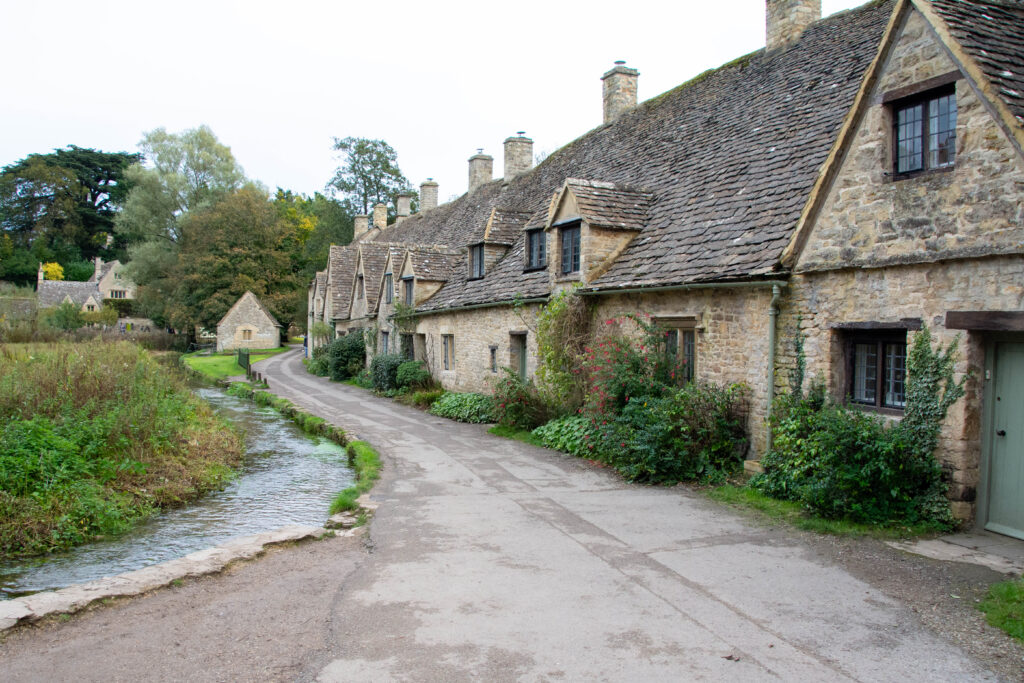
Bibury, though, is the postcard. Its row of 17th-century weavers’ cottages — Arlington Row — is one of the most photographed streets in England, and it’s easy to see why the moment you’re standing in front of it.

What struck me most, though, was simply the contrast. An hour outside London, and you are in an entirely different England — quiet stone villages, sheep in the fields, a pace of life that has nothing to do with the city you left that morning. That contrast, more than any single village, is the real draw.

The Cotswolds - Bibury Arlington Row
The Cotswolds - Bibury Arlington Row - Photo by Patrick McGill

Windsor: On Our Own


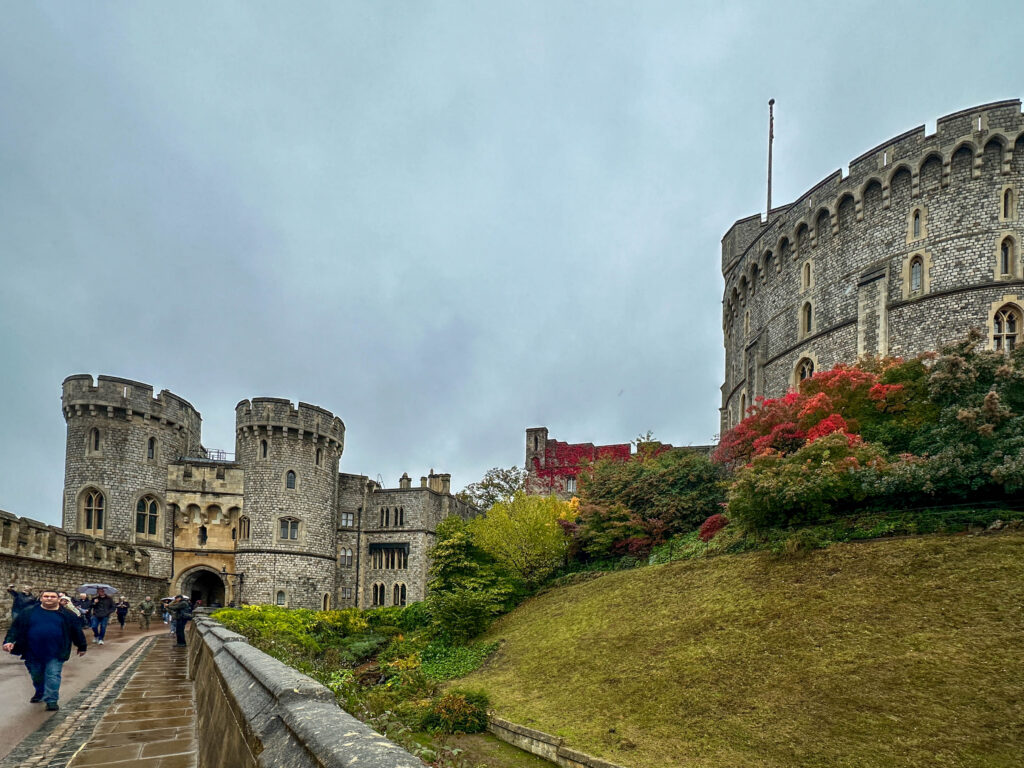
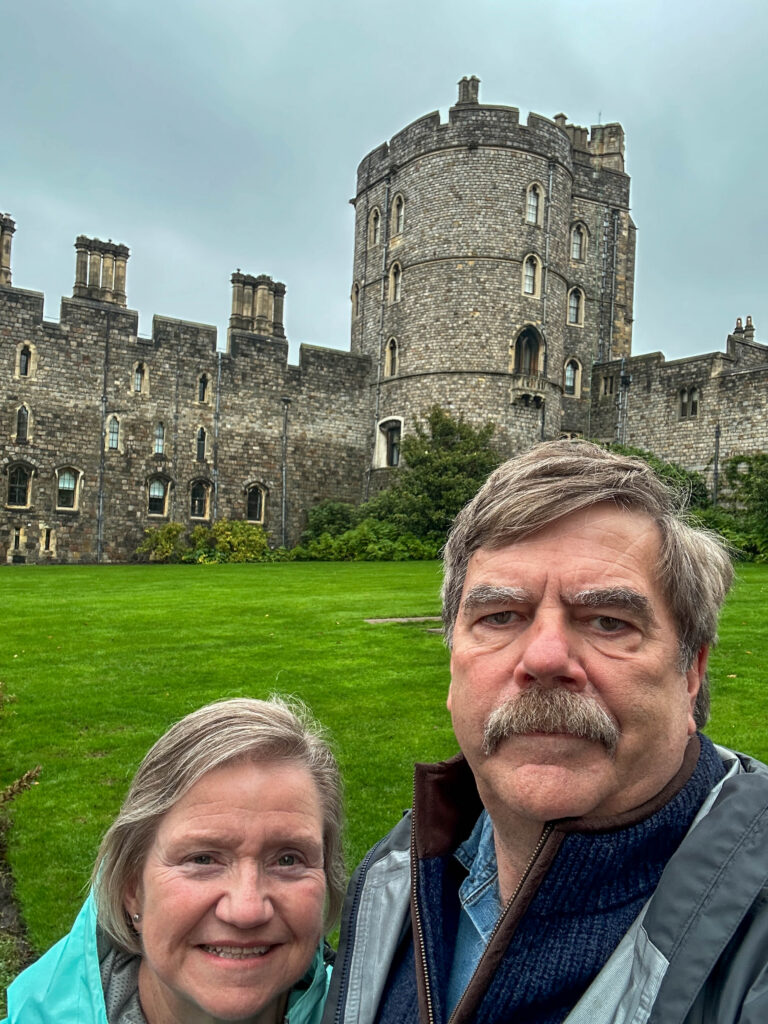
For Windsor, we skipped the group tour and went on our own — a train from London Waterloo, a short shuttle into Windsor, and a short walk to the castle. It is a genuinely easy day trip to do independently, and there is something satisfying about moving at your own pace, with no one else’s schedule to follow.

That said, we left with a small nagging question: did we miss something by not having a guide? Windsor’s history is dense — nearly a thousand years of royal occupation — and a good guide can surface details and context that are easy to miss on your own, even with an audio guide in hand.

Windsor Castle - Photo By Patrick McGill
Windsor Castle
Henry III Tower

Insider’s Tip: If you don’t want to use a guide, I recommend getting the Audio guide and do a little research before hand. 

Canterbury and Dover, With a Private Guide

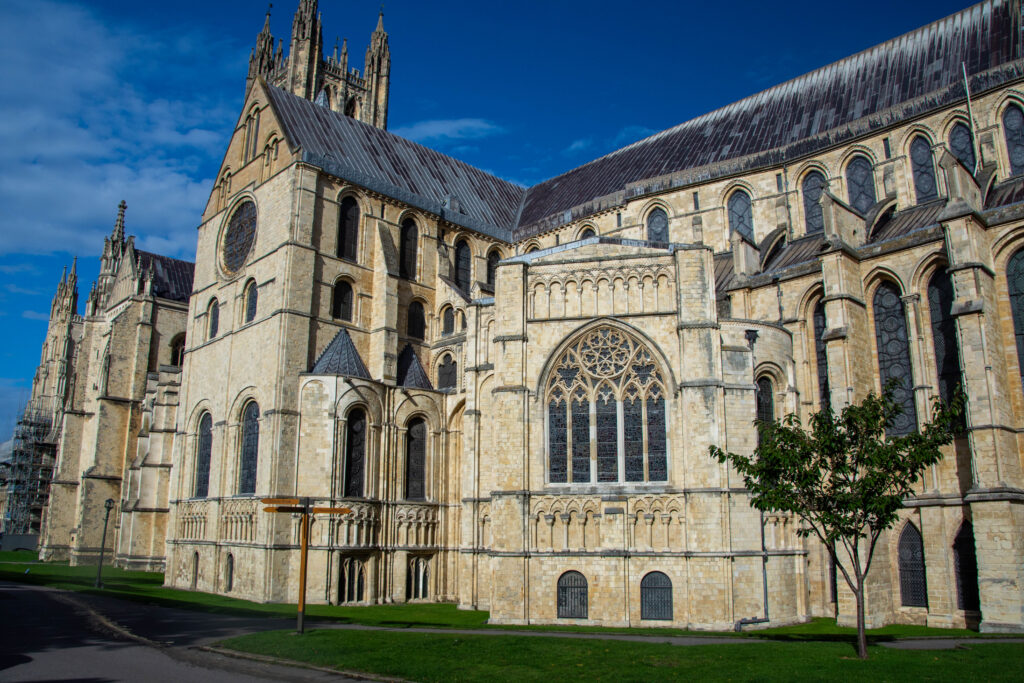
Canterbury Cathedral
Canterbury Cathedral - Photo By Patrick McGill

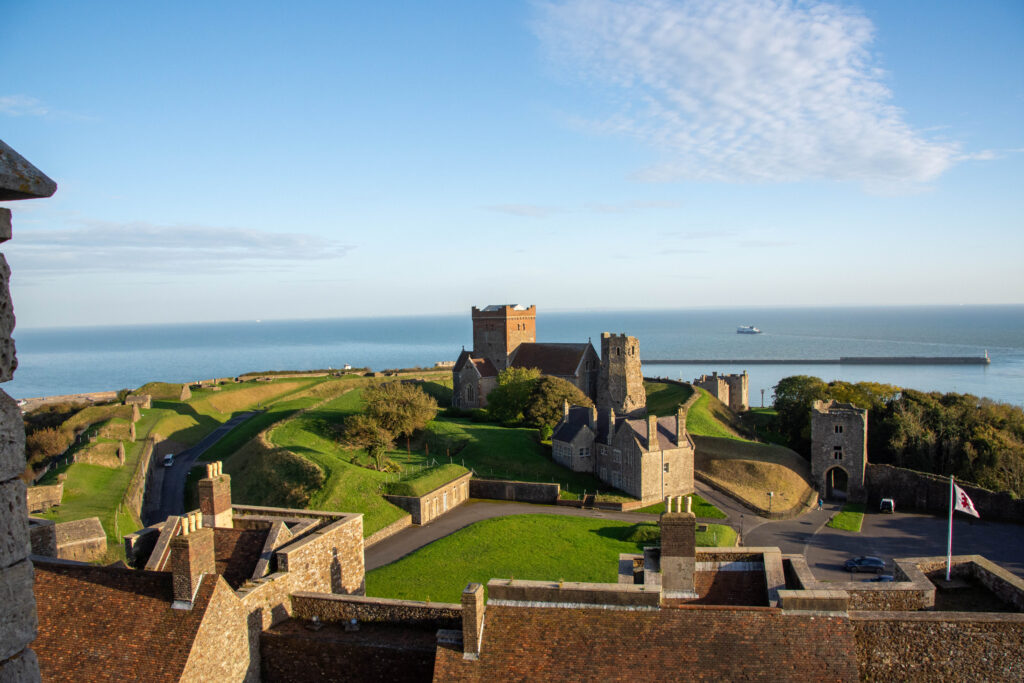
In contrast to Windsor, we relied on a private guide for Canterbury and Dover. The difference was immediately clear. At Canterbury Cathedral, our guide’s insight into the building’s centuries of religious and political significance added real depth. At Dover Castle, that depth mattered even more. The castle has been a strategic site since Roman times, expanded and refortified by nearly every century since, right up through its critical role in World War II. Walking through that much layered history without context would have meant missing most of what made it remarkable.


Dover Castle - Photo by Patrick McGill

The one drawback: doing both Canterbury and Dover in a single day made for a long day, and we felt rushed trying to see everything at both sites.

My advice – if it all possible, avoid trying to see both Canterbury and Dover in a single day. Each site deserves more time. 

An Older Memory: Stonehenge and Bath

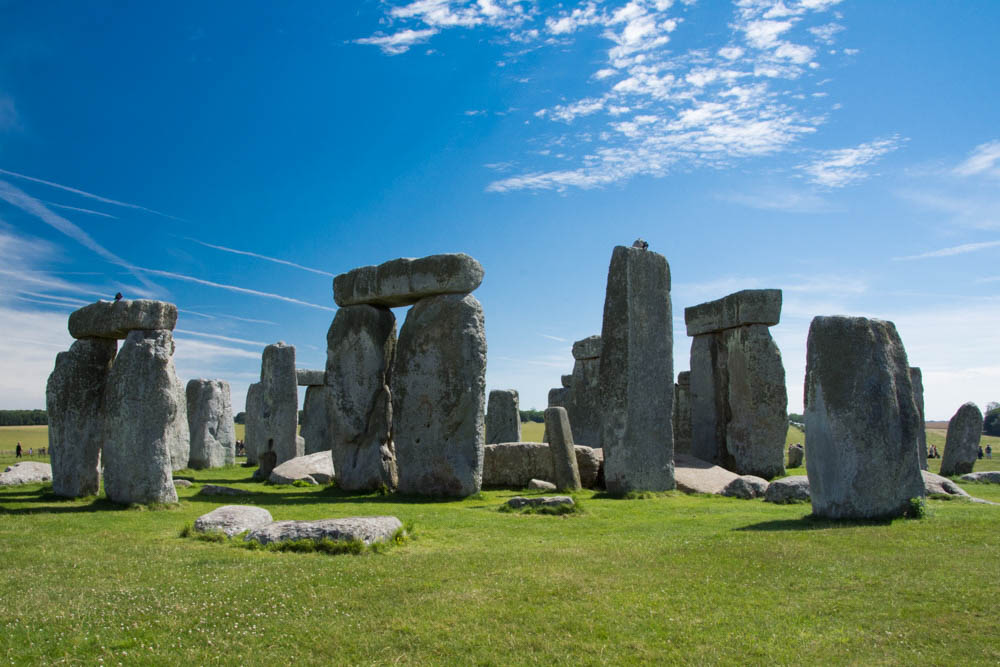
On our first trip to England, years earlier, we paired Stonehenge and Bath in a single day — and looking back, that pairing still makes sense. Stonehenge’s scale is hard to grasp until you’re standing in front of it. These stones were transported and arranged using nothing but prehistoric technology, over distances that remain genuinely difficult to explain. It is one of the few places where you can feel, physically, just how old human ingenuity actually is.

Stonehenge - Photo By Patrick McGill
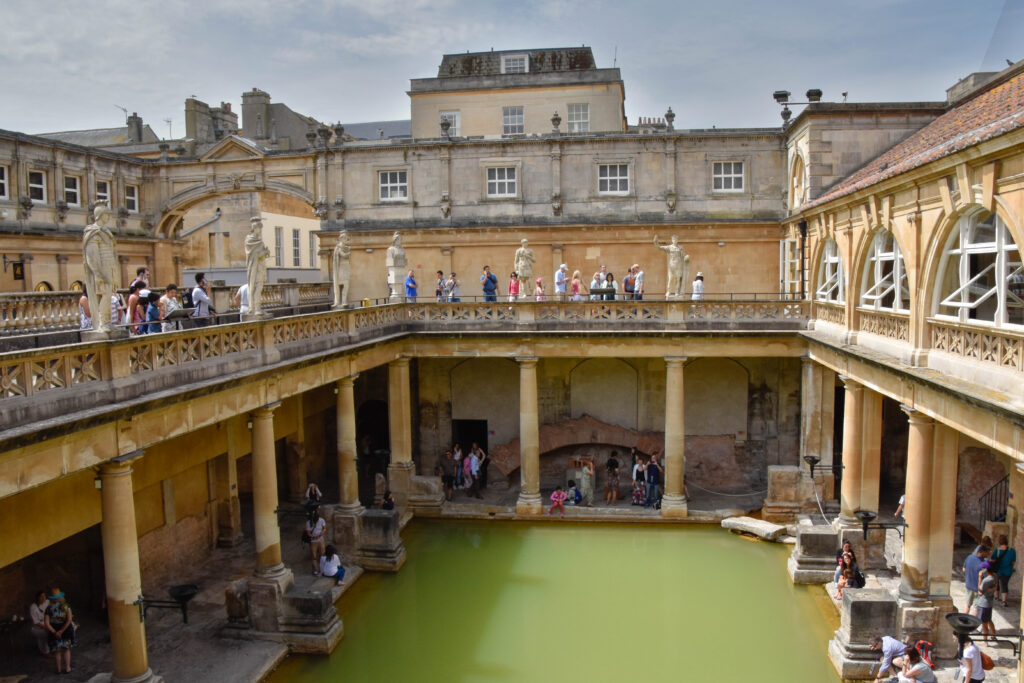
Bath - Roman Baths - Photo By Patrick McGill
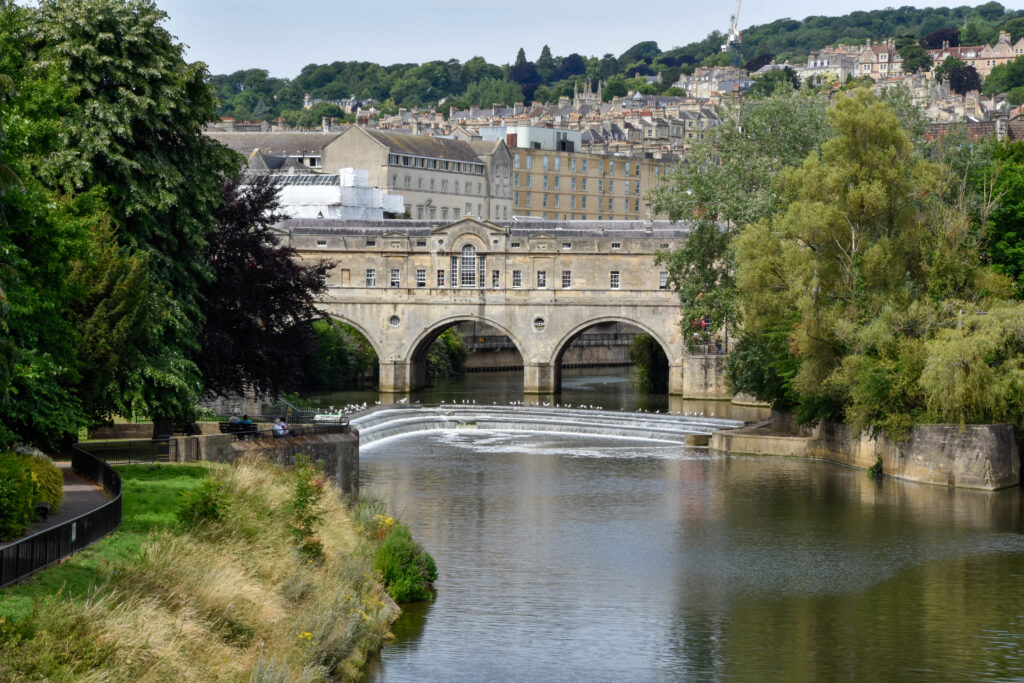
Bath - Pultney Bridge - Photo by Patrick McGill

Bath, by contrast, is Roman — still ancient, but on a different timeline entirely. The Roman Baths themselves are remarkably intact, and walking the same stones once used by Roman bathers two thousand years ago has its own kind of weight. Bath later became fashionable again in the Georgian era, when Jane Austen lived and wrote there, adding another layer of history on top of the Roman one.

Two stops, one day, and a span of history from prehistoric Britain to Jane Austen’s England. Few single-day itineraries cover that much ground.

A Quick Word on Where We Stayed

Part of this trip was spent doing something most travelers never see directly: site visits. We toured four London hotels to evaluate how each would suit different clients — The Rubens at the Palace, Hotel 41, The Chesterfield Mayfair, and The Montague on the Gardens. We stayed at The Rubens, where we enjoyed a proper afternoon tea and several excellent meals – and a very comfortable bar.

All four hotels are owned by the same company, but each has a genuinely distinct personality. Hotel 41, which shares a building with The Rubens, is the most exclusive of the group — yet it still feels warm and comfortable, in an old English sort of way. It did not feel the least bit “stuffy”. Since this trip, I’ve placed two clients at The Chesterfield, and both came back pleased with the choice.

This is part of what a travel advisor actually does — not just recommending hotels from a brochure, but walking through them in person to understand what each one actually feels like to stay in.

What This Trip Reinforced for Me as a Travel Advisor

England is one of those destinations where a second trip teaches you something a first trip can’t. The first time, you’re naturally drawn to the icons — the Tower of London, Westminster Abbey, the must-see list. The second time, you have the freedom to wander, to go deeper into a single region, or to finally take the day trip you didn’t have time for before.

This trip also reinforced how differently a place can feel depending on whether you explore it independently or with a guide. Which one is better? That really depends on “what” and “where”. Windsor, done on our own, gave us freedom and flexibility — we moved at our own pace and didn’t have to coordinate with anyone else’s schedule. The trade-off was depth: a good guide would have surfaced context we likely missed. Canterbury and Dover, with a private guide, gave us exactly that depth, especially at a site as layered as Dover Castle. The trade-off there was pace — fitting two substantial sites into one day left us feeling rushed. Both approaches have real advantages. The right choice depends on the site, and on how much you personally value context versus flexibility.

What I keep coming back to is this: England works for both the first-time visitor and the returning one, and arguably gets better the more times you go. There is still a long list of places we haven’t seen — the Victoria and Albert Museum, the Imperial War Museum, Cambridge, Durham, the southwestern coast. That list doesn’t feel like a burden. It feels like a reason to go back.

More From England, Coming Soon

Our first trip to England, back in 2017, included quite a bit we haven’t covered here — a day at the British Grand Prix, a visit to Highclere Castle (the real-life setting of Downton Abbey), and a deep dive into London’s historic core: Westminster Abbey, the Churchill War Rooms, St. Paul’s Cathedral, the Tower of London, and the Natural History Museum. That trip deserves its own post, and we’ll cover it in a future edition of Travel Notes.

And later this year, we’re returning to England once more — this time to York, with a stay in Edinburgh along the way. Look for that post once we’re home this Fall.

Key Seasonal Temperatures

  • Spring (March–May): Average highs of 11-15°C (52-59°F)
  • Summer June–August): Average highs of 18–23°C (64–73°F)
  • Autumn (September–November): Average highs of 10–15°C (50–59°F)
  • Winter (December–February): Average highs of 5-8°C (41-46°F)

More information on things to do in England

The VisitBritain website is an excellent source of further inspiration: More on England

Visiting England

England supports nearly every style of travel. London is easy to explore independently, with the Underground and rail network connecting day trips like Windsor, Bath, and the Cotswolds without much difficulty.

For destinations like Canterbury and Dover, where historical context adds real value, a private guide is worth considering. Small group tours, like the one we joined in the Cotswolds, are an efficient way to see several villages in a single day without the logistics of driving yourself — and driving in England, particularly in London, is not something I recommend.


If you enjoy reflections like this, I share similar insights once a month in my newsletter.

Related Posts

Ready To Go?

Whether you are looking for an escorted tour, a cruise, or a customized independent travel itinerary, I am here to create the perfect travel arrangements for you. Click on the button to schedule your complimentary travel consultation.

Questions?

If you have questions about my services or this post, feel free to send me a message.